The return of more than a thousand Colombian inmates from Ecuador lights new alarms in Nariño, Cauca and Valle del Cauca.
News Colombia.
The recent deportation of almost a thousand Colombian prisoners since Ecuador has tensioned bilateral relations and has generated a new focus of concern in Colombia, especially in the border and southern departments of the country.
Although the Ecuadorian government defends that legal procedures were followed, in Colombia – and particularly in regions such as Nariño, Cauca and Valle del Cauca – fears grow so this decision may involve in terms of security, criminal recidivism, institutional capacity and governance.
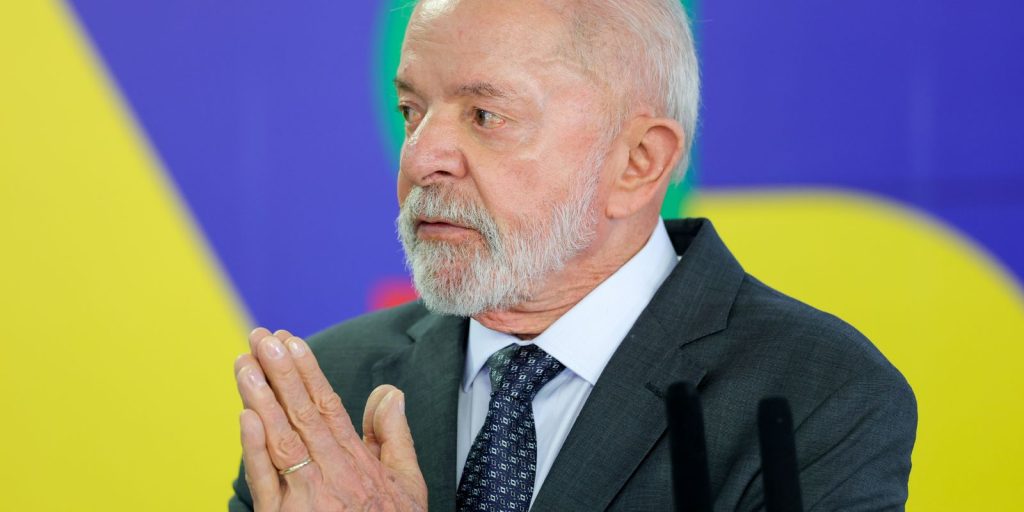
Ecuadorian President Daniel Noboa confirmed that his government deported more than 1,000 Colombian prisoners as part of a prison decongestion and resources prioritization strategy. According to Noboa, the procedure complied with individual judicial resolutions and was informed to the Colombian Foreign Ministry.
“We cannot keep a thousand foreign inmates in our prisons while our citizens have no attention”, He told the press.
However, from Bogotá, Gustavo Petro’s government responded with a formal diplomatic protest, noting that the measure was unilateral, abrupt and lacking humanitarian guarantees for deportees.
The departments of Nariño and Putumayo, which border Ecuador, are the most directly affected. Municipalities such as Ipiales, Tumaco and San Miguel already report an increase in the irregular flow of repatriated people without institutional accompaniment. According to data from the Colombian southern Border Observatory, at least 42% of those deported have returned to municipalities in South Nariño and Cauca, many without family support networks or reintegration mechanisms.
“We are concerned that some of these returnees could be repeat offenders in organized crime structures or have been recruited by Ecuadorian mafias in prison,” said analyst Luis Eduardo Celis, of the Peace and Reconciliation Foundation (Pares) (Caracol Radio, 27.07.2025).
The Cauca, a region already affected by the actions of dissidents of the FARC, ELN and drug traffickers, faces a possible criminal reconfiguration. Several experts warn that these deportees could be subject to forced recruitment or reinstatement to illegal economies. The Ideas for Peace Foundation (FIP) indicates that many of the Colombian prisoners were arrested in Ecuador for crimes related to cross -border drug trafficking, transport of inputs or related crimes such as washing and microtrafficking.
“His return to areas such as El Tambo, Santander de Quilichao or the Nariñense mountain range can reactivate logistics networks that are already weakened but not dismantled”, Says an internal FIP report.
The Valle del Cauca, especially its capital Cali, is usually a point of arrival for southern returnees. Without a clear protocol, a partial collapse is feared in temporary detention centers, increased prison overpopulation and saturation of the judicial system if deportees must be judged again or reincorporated to open causes.
A report by the Ombudsman alerts that there is no official mechanism for monitoring the legal, medical and social conditions of deportees, or coordination with mayors and governorates.
Border social organizations have warned that without a clear reintegration policy, the massive return of people who have been in prison in violent and criminal contexts increases the risk of stigmatization and recidivism.
“We cannot see them only as a threat. Many of them were ‘mules’ co -opted out of necessity, young people without opportunities. But if the State does nothing, they will end in the hands of them who used them before”, Says Maritza Cárdenas, social leadersa in Ipiales, Nariño.
In Nariño and Cauca, some NGOs propose to create a special psychosocial care program and productive reintegration, focused on returnees.
The deportation of Colombian prisoners from Ecuador is not just a diplomatic episode: it is an alert on for the regions that have historically been abandoned by the State and are living border with the conflict, drug trafficking and poverty.
´