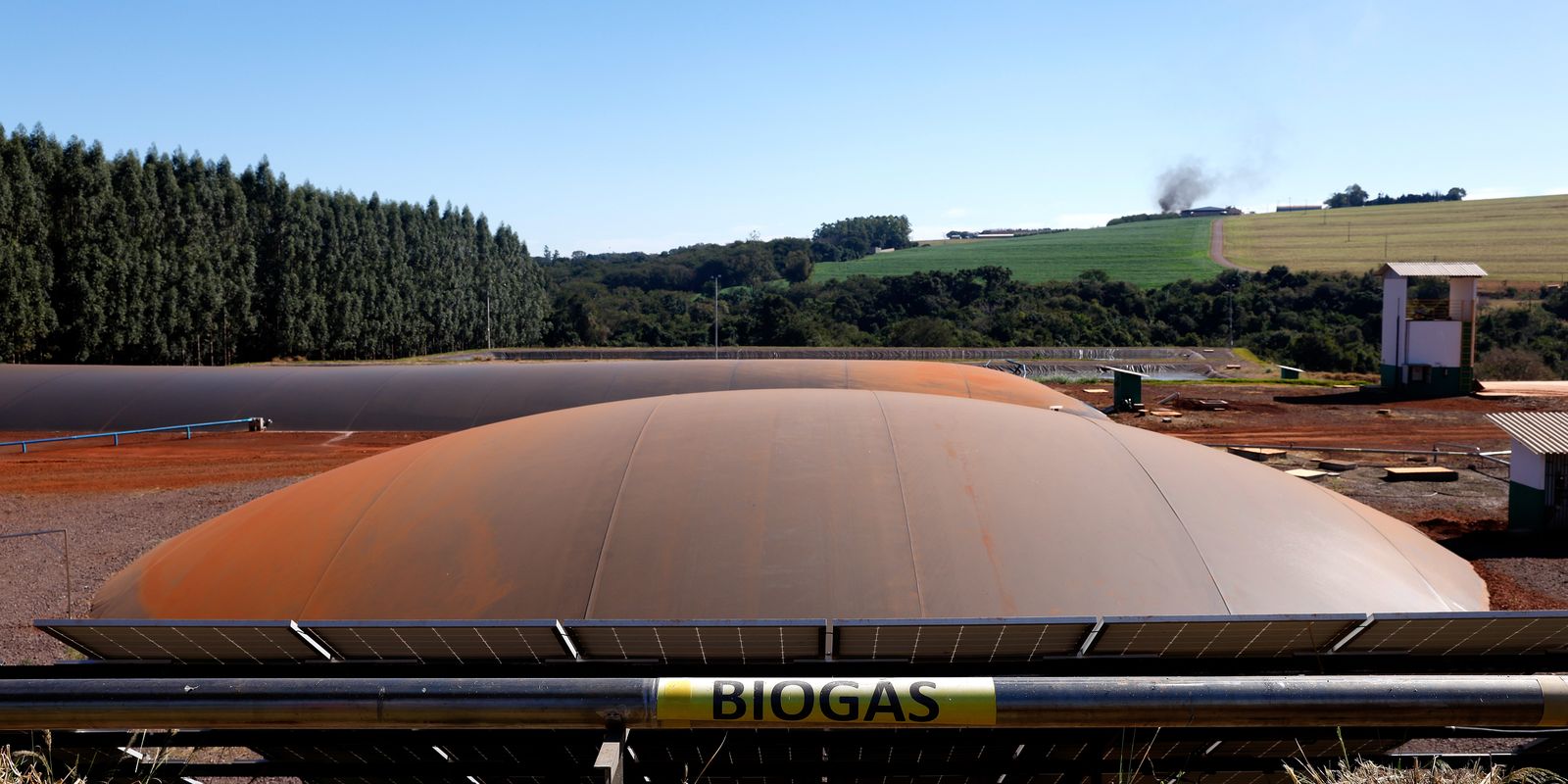
Within the Brazilian side of the Itaipu Hydroelectric Power Plant, in Foz do Iguaçu, Paraná, on the border with Paraguay, works a biogas and biomethane plant. The place, prepared to transform organic waste into clean energy, has already been visited by IRS with learned products such as beans and corn.
The action is the result of a partner of the tax raising body with the International Center for Renewable Energy (Cibiogás), which operates the Biousine. Cibiogás is a company founded by Itaipu Binacional and focused on clean fuel solutions.
In addition to the partnership with Revenue, Biousina has agreements with the Federal Police (PF) and Ministry of Agriculture and Livestock (Mapa). These partnerships give an unlikely destination to goods seized from smuggling (prohibited goods) and misleading (products entering the country without tax payment).
In the inventory area of the plant are liters and more liters of wine, tons of sugar and other products, such as olive oil, oil, potatoes, gum, flour, cocoa and coffee powder.
According to Cibiogás Market Strategies Director Felipe Marques, more than 400 types of waste capable of being turned into clean energy have been mapped.
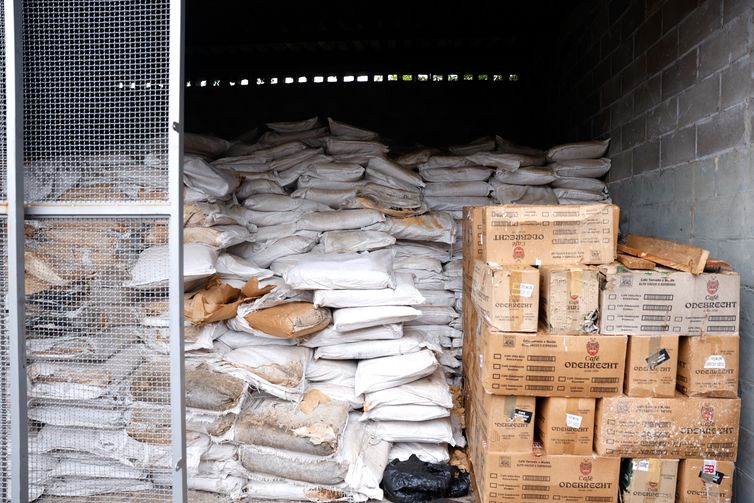
UFOZ DO IGUAÇU (PR), 17/07/2025 – Inputs collected from smuggling for biogas production in the renewable hydrocarbons production unit, at Itaipu Parquatec of Itaipu Binacional. by Tânia Rêgo/Agência Brasil
Biodigestion
A huge sealed tank provides biodigestion, a process in which the organic matter of these products is transformed into biogas. The end result is a renewable fuel gas, ie clean energy that helps to reduce greenhouse gas emissions, causing global warming climate change that makes environmental tragedies more frequent.
Marques explains that, in terms of greenhouse gas emission, biomethane equals ethanol, another renewable fuel used by cars. “It’s practically the same emission,” he says.
“Biomethane being used to replace diesel causes a very large impact on emission reduction,” he said.
In addition to the partner with the federal agencies, the biodigester in Itaipu receives waste from restaurants from the Itaipu Complex. The plant processes half a ton of tailings a day. Since 2017, there have been 600 tons. The rhythm can increase as the capacity is up to 1 ton daily.
Supply
Biogas is produced biomethane, which has characteristics similar to natural gas, being used to supply the fleet of light vehicles of the complex and the hydroelectric tour bus.
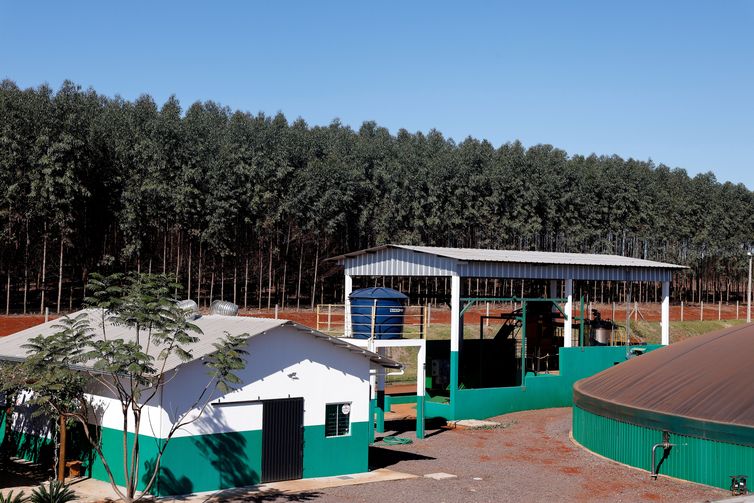
Toledo (PR), 07/18/2025 – Toledo Bioenergy Center. Biodigestion system consisting of biodigesters, motorcycle group and digestion and treatment lagoon. Photo: Tânia Rêgo/Agência Brasil – Tânia Rêgo/Agência Brasil
Biousina produces about 200 cubic meters (m³) per day of biogas and 100 m³/day of biomethane, which allows you to supply ten cars daily.
Since 20127, the unit has supplied 41,300 m³ of biomethane, which has enabled 484,000 kilometers driven. Cibiogás technicians report that the plant has already been prosecuted:
- 22 tons of milk powder from India and seized in the port of Paranaguá, Paraná
- 75 tons of cocoa from Thailand, also seized in Paranaguá
- 9 thousand liters of olive oil
- 5.5 tons of powdered milk
- 870 liters of wine
A member of the Cibiogás Technological Development Board, Geovani Geraldi explains that the content taken to the biodigester must be dose in order to ensure the quality of biogas and biomethane produced.
“Flour produces a lot of biogas, but not so much of methane. So, I need to dose the flour more calmly than olive oil, which produces a lot of biogas and is rich in methane, so put more olive oil,” he exemplifies.
“Denning with what we also have in stock, if we will not be able to miss in the future. We have all this operational control,” he adds.
According to Marques, Petrobras has already shown interest in buying the biomethane generated at Biousina.
“They are well engaged in terms of using biomethane and boosting the biomethane market in Brazil,” he said.
Waste is also possible to produce biofertilizers used in irrigation of grams or degraded areas.
SAF IN COP 30
Also from the biodigestion of revenue and PF seizures, the unit of Cibiogás develops Bio-Syncruce, a synthetic oil that can be used in the production of SAF (sustainable aviation fuel). SAF can significantly reduce greenhouse gas emissions compared to traditional aviation kerosene.
Itaipu Binacional prepares a demonstration of synthetic oil to present during the 30th United Nations Conference on Climate Change (COP 30), which will take place in November in Belém.
There is a partnership with the Federal University of Paraná (UFPR) to develop the SAF from the refining of Bio-Syncrude. Renewable energy investments are one of Itaipu Binacional’s bets to increase power generation.
*The report of Agência Brasil traveled at the invitation of Itaipu Binacional