Until 2023, Oropouche fever was an almost exclusive disease from the states of the Amazon region, but this year, the Holy Spirit, almost 3,000 km away, became a record case with 6,318 records. Researchers try to understand what led the disease to spread throughout Brazil, and health managers think strategies to control Oropouche in the midst of a population without any prior immunity.
This year, Oropouche infections have already been confirmed in 18 states plus the Federal District, totaling 11,805 cases. Five people died from the disease, 4 in Rio de Janeiro and 1 in Espírito Santo and there are two deaths being investigated. In almost every week, this year’s cases surpass those last year, and the It is expected that the sum of 2025 exceeds 13,856 registered in 2024. The number of dead is already higher. Last year, there were four: 2 in Bahia, 1 in Espírito Santo and 1 in Santa Catarina.
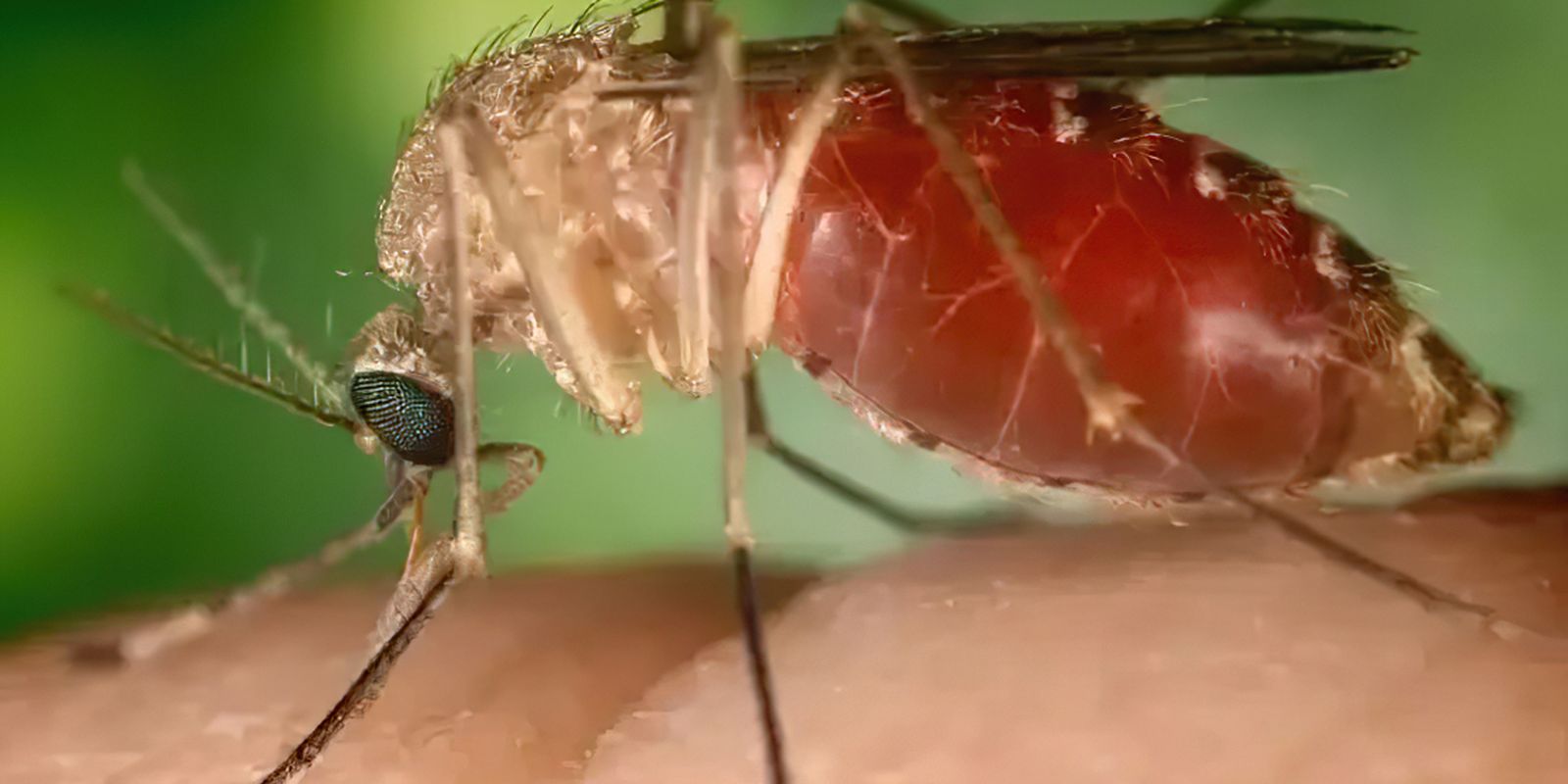
Oropouche fever is caused by a virus transmitted by the mosquito Culicoids paraensis, better known as Maruim or Mosquito-polvora, incident throughout the country. It causes symptoms similar to those of other mosquito -transmitted diseases such as dengue and chikungunya, especially fever and head pain, muscles and joints.
THE Infection can also cause complications in pregnancy, including microcephaly, malformations and death of the fetus, as well as Zika virus. Therefore, the Ministry of Health recommends that pregnant women living in areas with disease records reinforce protection against mosquitoes. Although sexual transmission of virus has not yet been proven, people with symptoms should also use condoms during sex as a preventive measure.
According to the head of the Oswaldo Cruz Institute Arbovirus and Hemorrhagic Laboratory, Felipe Naveca, Genetic studies show that the cases that proliferate in Brazil were caused by a new lineage of the virus, which emerged in the Amazon, circulated across the northern region and then spread.
“And we have also been able to show that this scenario is very related to some areas of recent deforestation, especially in southern Amazonas and northern Rondônia, which served as crucial points for dispersion of this virus. Then infected people ended up taking out of the region, because after it is infected with the virus, it takes time to manifest the symptoms,” adds Naveca.
Maruim exists throughout the country, but needs damp environments with decaying organic matter to reproduce, so it is more incident in forest and planting areas, especially in banana crops. You Outbreaks have occurred mainly in periurban regions, of transition between rural and forest environments and areas inhabited by humans. Only females transmit the oropouche fever virus, which can also be inoculated in animals.
According to sail, environmental changes also play a role in the proliferation of the disease. “Every time you have more extreme events, whether it is dry or full of rivers, it affects the population not only of the vector, but also of the animals that the mosquito feeds. So it changes this whole ecosystem. Our data show that the virus population increased precisely during rainfall in the Amazon region.”
A recent international study analyzed data from six South American countries, including Brazil, and identified that climate variables, such as temperature and rain standard changes, were the main influence factors for the dissemination of Oropouche, contributing 60%. Therefore, the Researchers believe that extreme climate eventslike El Niño, they probably played a key role in the outbreak started in 2023.
The Ministry of Health has reinforced the monitoring of Oropouche cases and has been conducting periodic meetings and technical visits to states, to guide local authorities about the correct ways to notify, investigate and end suspicious cases.
“In partnership with Fiocruz and Embrapa, the portfolio conducts studies on the use of vector control, with promising preliminary results. Evidence supports the definition of disease -coping strategies, especially during outbreaks, and the reduction of their impact on the population. Prevention includes the use of long clothes, closed shoes, slim mesh and accumulated organic matter.” declared the ministry in a note.
Holy Spirit
To the Espírito Santo health officials are also on alert as the small state with just over 4 million inhabitants became the record holder last year and this year. The State Secretary of Health Surveillance, Orlei Cardoso, explains that much of the 78 municipalities capixabas have periurban characteristics, with many areas of plantation, which facilitates the reproduction of the sea. With abundant mosquitoes, and a population without prior immunity, the virus found the ideal conditions to spread.
“We also identified that the first cases occurred at the time of coffee harvesting, which is a period that circulates many people who come from other states to work in the crops. This turns out to be a favorable time for transmission, yet because workers spend a week in one city, then they go to another …” Complements Cardoso.
While researchers work to map the areas of highest incidence of Maruim, the secretary reinforces the training of health professionals.
“As it was an unknown disease, they have begun to understand now what is happening, to know how to identify and act on a case of Oropouche. So we are qualifying for municipal teams, to do clinical recognition, especially differentiate the oropouche from dengue and other arboviruses and we are also training community health agents,” says the state health surveillance undersecretary.
THE Oropouche fever has also become an undesirable novelty in some states in the Northeast region, especially Ceará, which recorded 674 cases this year. According to State Health Surveillance Executive Secretary Antonio Lima Neto, cases in Ceará also began in planting areas, especially banana, but also cocoa and cassava.
“In the first year, we had 255 cases, which focused on rural districts, with small villages, all located in the Serrana region of Ceará, known as Baturité Massif. In 2025, when the disease returned, something different occurred that was a transition from the disease to the main city of the region, which is Baturité. Where, instead of having 500 residents, you have 20,000 people,” he adds.
According to the executive secretary, the state is also investing in clinical management and laboratory surveillance actions, to correctly diagnose the disease, especially pregnant women. Ceará was one of the states that recorded the death of a fetus after the mother’s infection by Oropouche. Last year, at least five cases of fetal death and a case of congenital anomaly were recorded in Brazil, caused by the virus.
“The vector control of a domiciled mosquito, it has a central foundation, which is the elimination of creators, as in the case of Aedes aegypt. You eliminate the places where it reproduces, you renew water, take care of household waste … with the polvora mosquito, you would have to make a chemical barrier between the plantations and the areas where people live. The Ministry of Health has performed tests for efficient products, but it is not something trivial, “says Antonio Lima Neto.