The booklets that prevent recycling books: how the editorial business affects low -income families
Santo Domingo. – “More than 14 thousand pesos in books for a single child. And the backpack is still missing.” That is the reality of Ramona Mena, mother of two children in private schools. His testimony is repeated among dozens of families that, at the beginning of the school year, face a difficult economic burden on sustaining. The cause is not only the price of the texts, but an editorial model that prevents savings: books and booklets designed to use only once.
What could be inherited, exchanging or buying used before, is now ruled out with each school year. The calls Books-Cuadernillo“complete” materials in which the student must write directly, have gone from being pedagogical tools to become an obstacle to recycling and family economy.
Books that are filled … and they are not reused
These books are not designed to last. They are made to be used by a single student, since they include exercises, activities and evaluations that must be completed in their own pages. In many cases, they are accompanied by Annexed booklets that must also be filledwhich prevents them from reselling or reusing them even between brothers.
“There are books that are typebook, the child has to fill them directly there. That is why they cannot be purchased used, even if they are in good condition,” explains María Sosa, mother of two children in primary.
“The initial books are very work. Children write and scratch a lot, and that’s why I almost always have to buy them new,” adds Ramona.
An expense that is repeated every year
The problem is not only the nature of the book, but the editorial system as a whole. Editorials and schools change the texts constantlyalternating between houses. This prevents families from taking advantage of books from the previous yeareven if they are well preserved.
“Before one could change the books in the villages, but now the schools change editorial every year. One year they use Santillana, to the other today, and then another. Thus there is no way to save,” Ramona laments.
Sales expectations and prices in school supplies
Although school spending is already a subject in houses, Parents have not yet massively buy booksas confirmed by merchants. Teresa López, seller with almost 20 years in the business, points out that a greater movement is expected After July 30when companies make payroll payment.
“The books are not yet being sold. There are parents who are waiting to collect at the end of the month. After 30 this moves more, says Teresa.
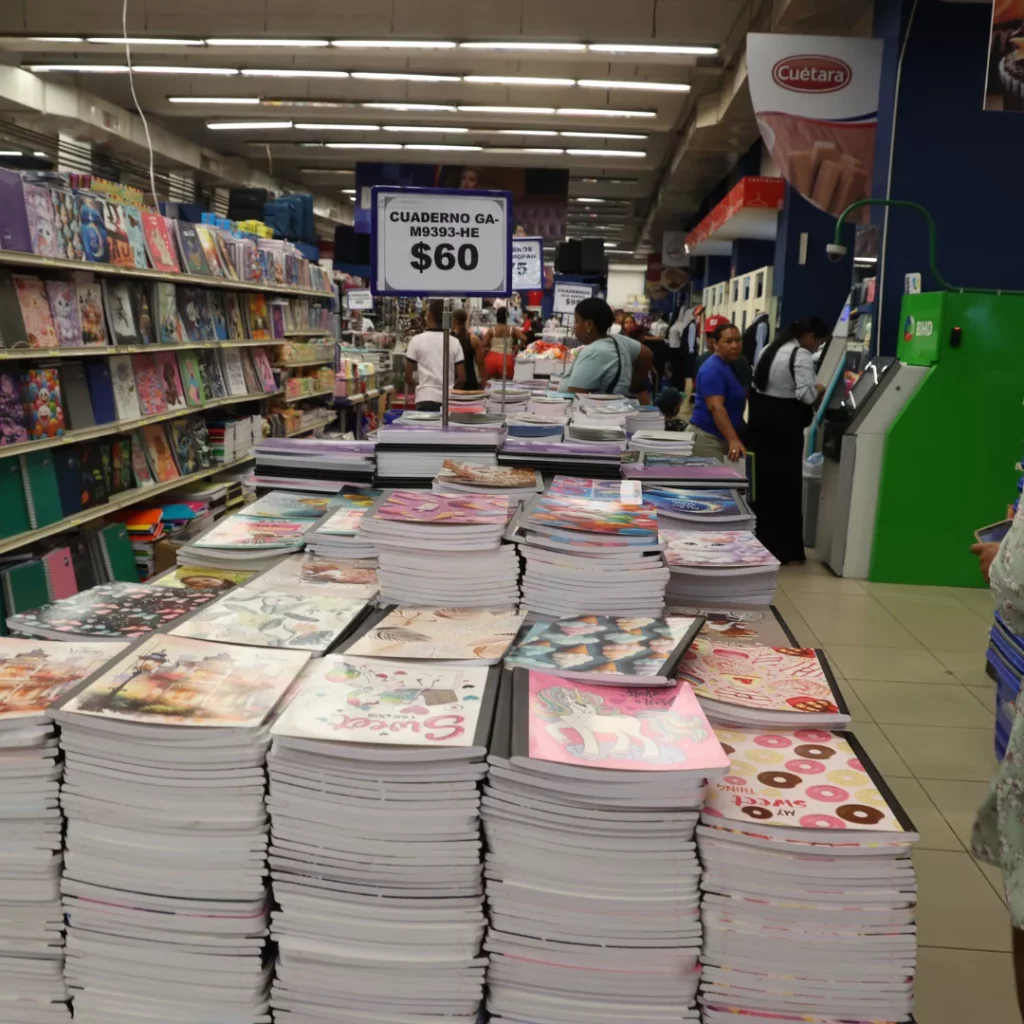
Meanwhile, The halls of some supermarkets They already show mothers comparing prices of backpacks, uniforms and notebooks, in an attempt to balance quality with budget.
Silverio Peña, also book seller, explains how used book prices are handled and what edits are dominating the market today.
“A book that brings booklet cannot be reselling. But those who do not fill, yes. That is called ‘half use’ and they are sold at the middle of the price: if it costs 800 new, the used is sold in 400,” Silverio details.
“Right now there are four editors working actively. The booklet is part of the package, and that uploads the cost because it cannot be used again,” he explains.
According to vendors such as William Martínez, on Duarte Avenue, prices new books range between 1,800 and 2,200 pesos per bookand some school packages include up to five or six materials, many of them with attached booklets.
“There has always been an additional cost, but with the booklets it rises more. Before they exercised in the same book; now almost everything goes in the booklet,” says William.
The real impact on low middle class pockets
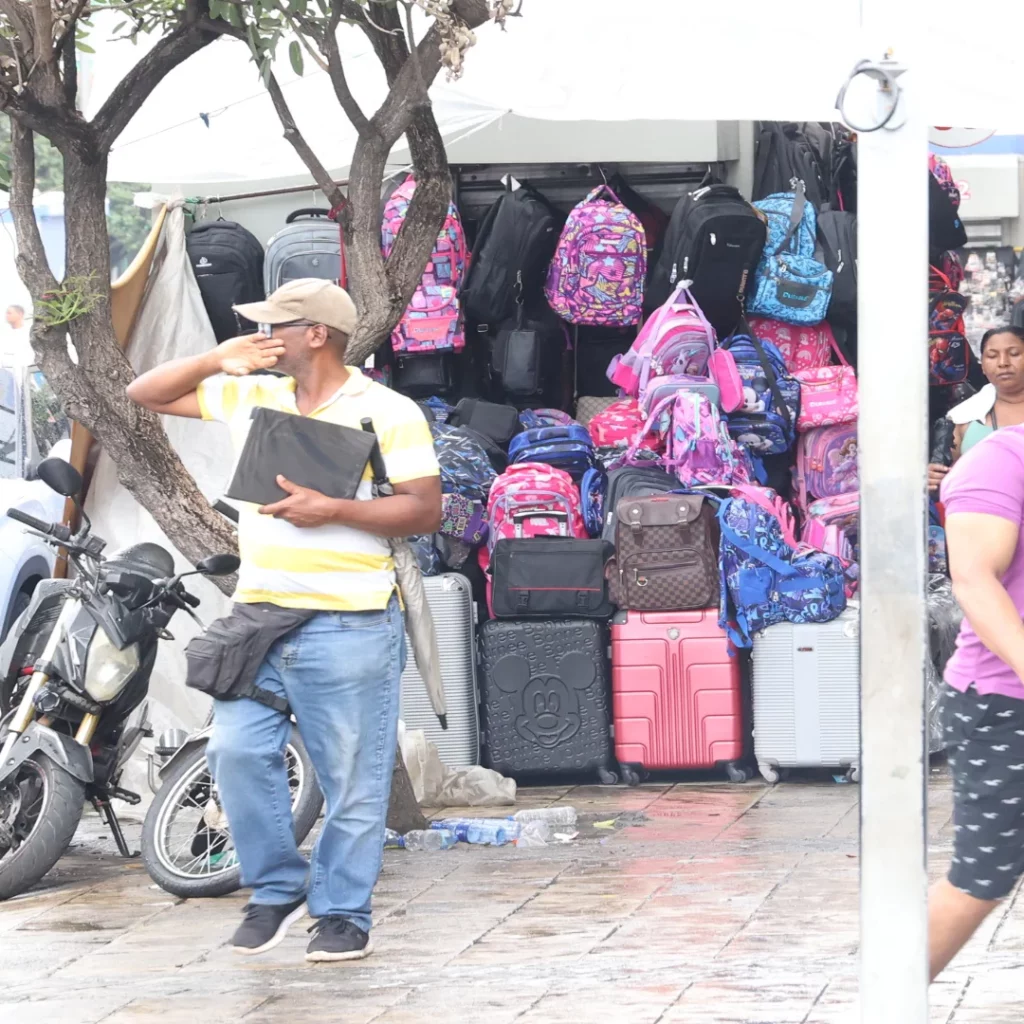
The spending on school supplies also represents a considerable burden, even before counting the books. According to a lifting in bookstores and supermarkets, backpacks range from RD $ 480 and RD $ 3,250, The notebooks between RD $ 40 and RD $ 150, and a pencil box can cost between RD $ 60 and RD $ 175. To this are added materials such as colors, cases, rules, folders, markers and hygiene items.
For a family with monthly income from RD $ 35,000, Considered within the low middle class segment, the estimated spending on basic school supplies for a single child exceeds RD $ 3,500. This represents around the 10% of the monthly income, Without counting books, uniform or re -registration. And if school texts are added, which can cost between RD $ 10,000 and RD $ 14,000 per childtotal expenditure amounts to some RD $ 13,500 to RD $ 17,500, that is, between the 39% and 50% of the monthly home income.
In the case of families with two children, the impact is even more drastic: the combined spending on books and useful could exceed the RD $ 27,000 to RD $ 35,000that is, between the 77% and 100% of monthly income, leaving little or no margin for other financial commitments such as food, transport, services or rent.
This economic effort generates anguish in many homes, which must resort to loans, use of credit cards, anticipated savings or the postponement of certain purchases. For others, it simply translates into having to prioritize: Buy only basic books, omit those of complementary subjects or deliver tools in parts as the school year progresses.
INITIAL EDUCATION: where it hurts the most
The pressure is even greater for those who have children at the initial and low primary levels. In these stages, more practical materials are used, such as calligraphy books, language, mathematics and strokes, in which the child must constantly write to develop his fine motor skills. Therefore, the books of these levels They are not only more intensive, but also impossible to reuse.
“I have a six -year -old girl who has just passed to first, and only in her books I spent almost 14 thousand pesos. And that is without counting backpack, uniforms or re -registration,” says Ramona.
Secondary: books, platforms and subscriptions in dollars
At the higher levels, the expense moves to the digital. Many institutions require the use of private educational platforms that have an additional annual costusually in dollars.
“My eldest son is asked about 10 books and also an educational platform in dollars. It costs 100 dollars only for the subscription of the year. If you do not pay it, you cannot register the child,” explains Ramona.
Even high school books can bring booklets with unique codes, which prevents them from photocopic or shared. “The mathematics cost me 3 thousand pesos new because it brings a booklet with code,” he adds.
Complementary books that also add
These expenses are added books of complementary subjects such as artistic education, religion, sports or English. Although some are used only once a week, their acquisition remains mandatory in many private schools. The sum of all these books can carry total child spending between 10,000 and 14,000 pesos, only in texts.
No space to recycle or share
The possibility of reusing school books, either through inheritance, second -hand purchase or community exchange, It has practically disappeared in the private system. This eliminates any possibility of circular economy and places low -income families at a clear disadvantage.
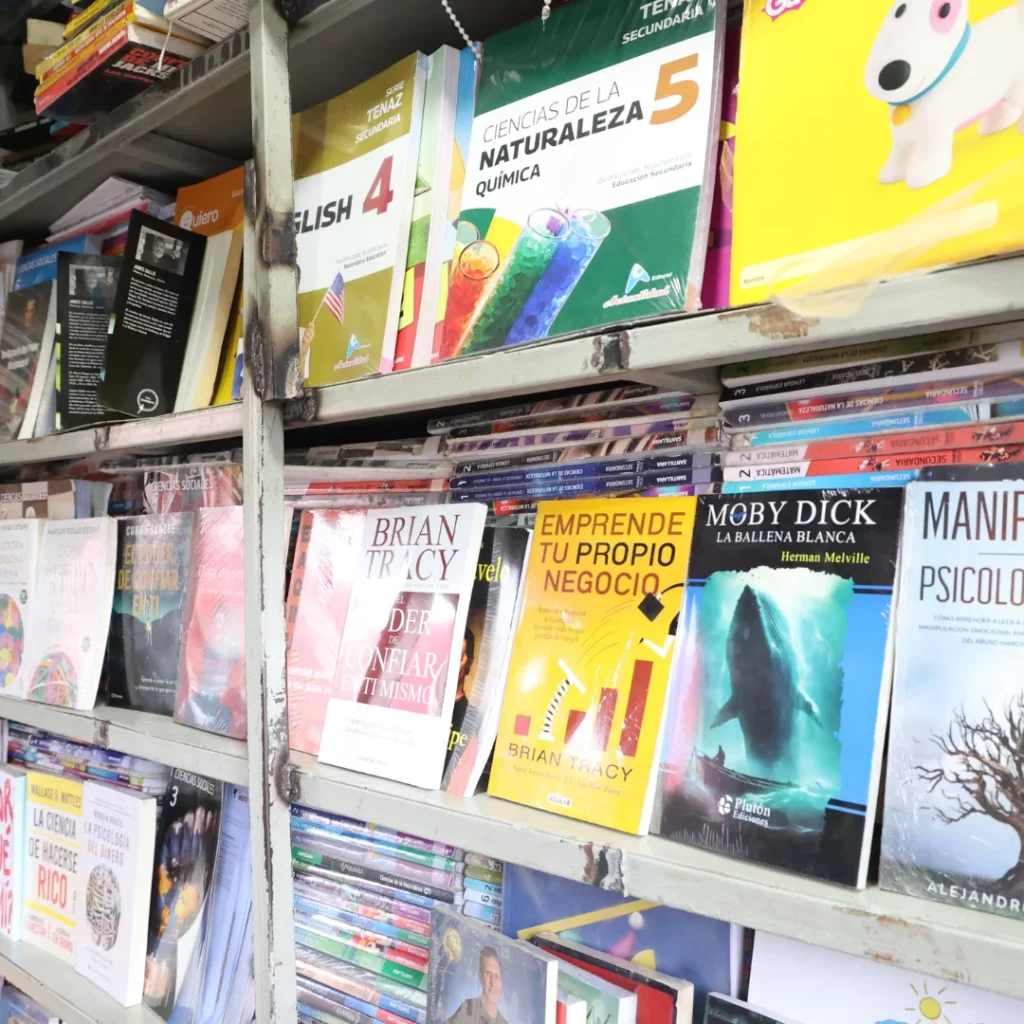
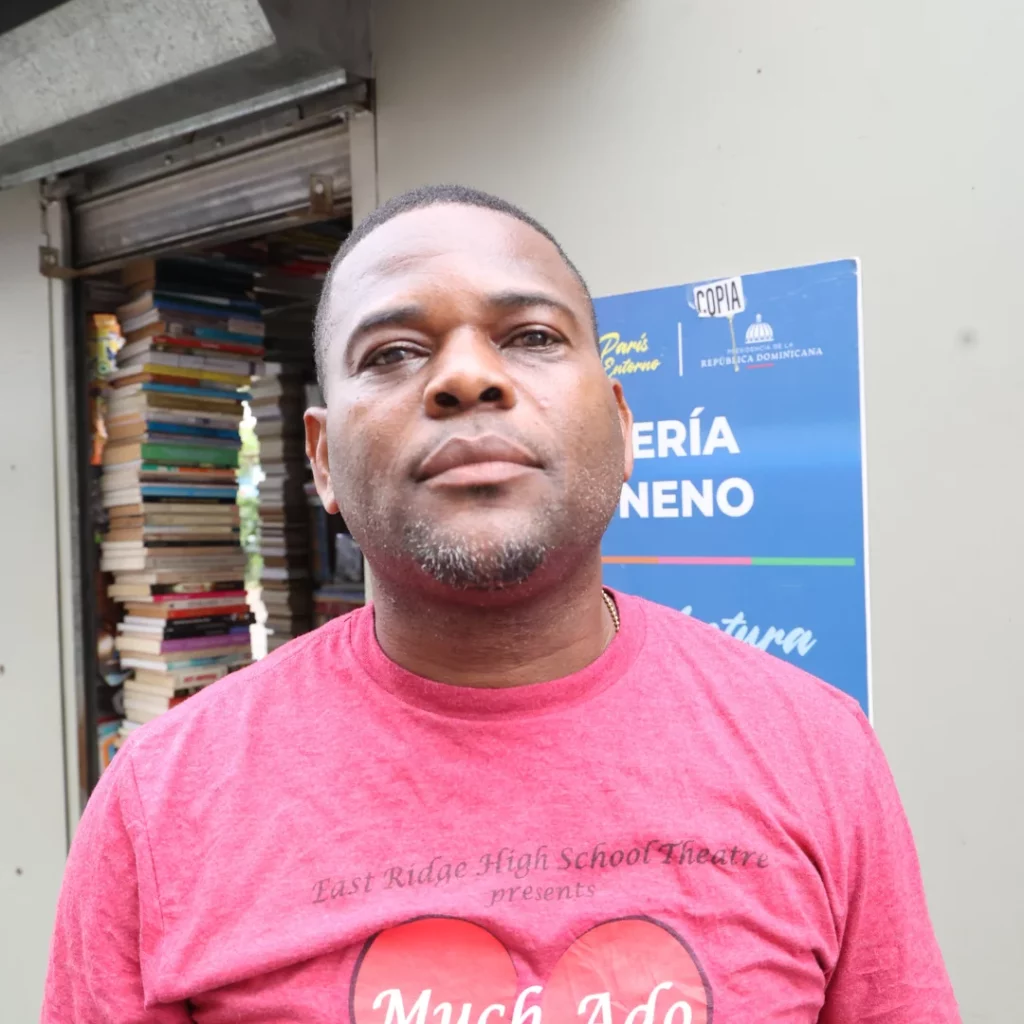
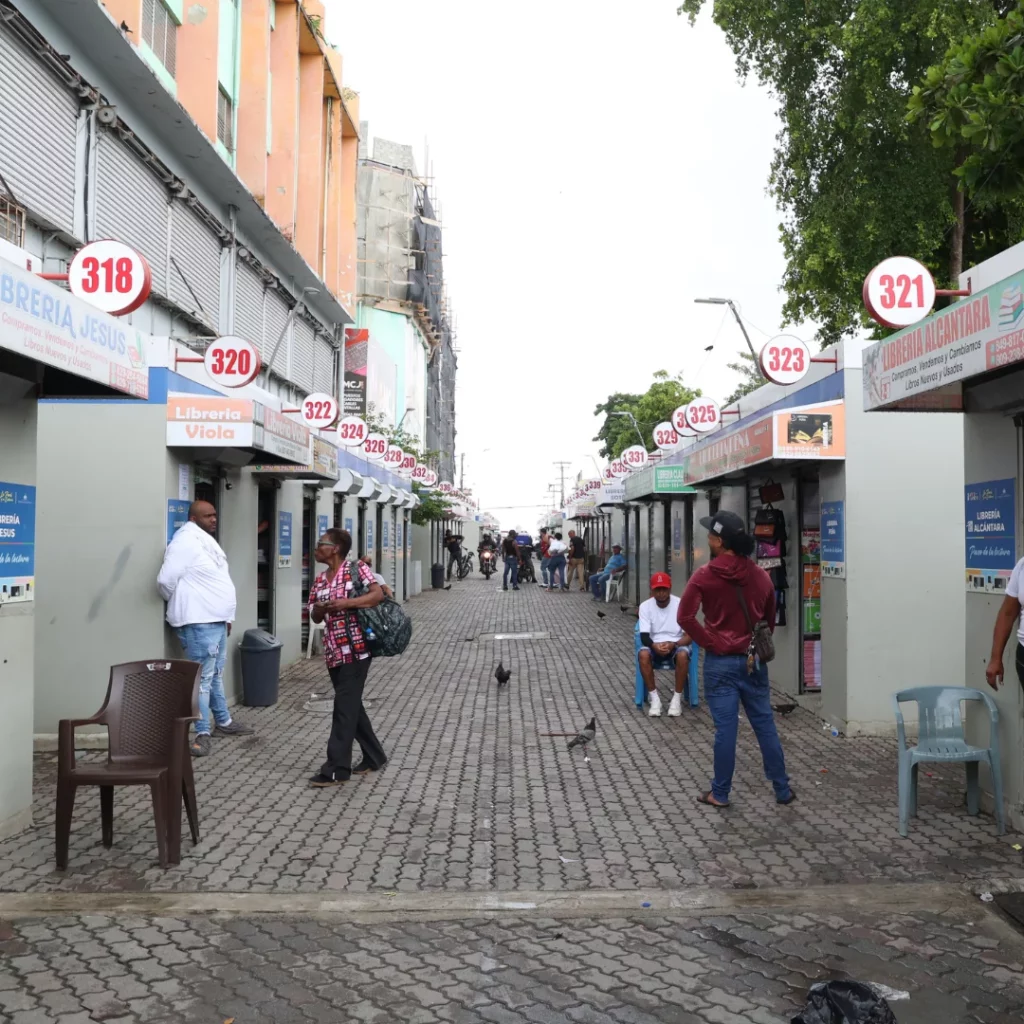
Libraries on Juan Pablo Duarte Avenue
“I can buy the book used, but the booklet I have to buy it new. That adds an extra mandatory cost to everything,” says María.
Conclusion: Education or business?
What began as a useful pedagogical tool has become a source of exclusion. The booklets, materials designed to not be shared, generate a mandatory, constant and growing expense that directly impacts domestic economies, especially low middle class.
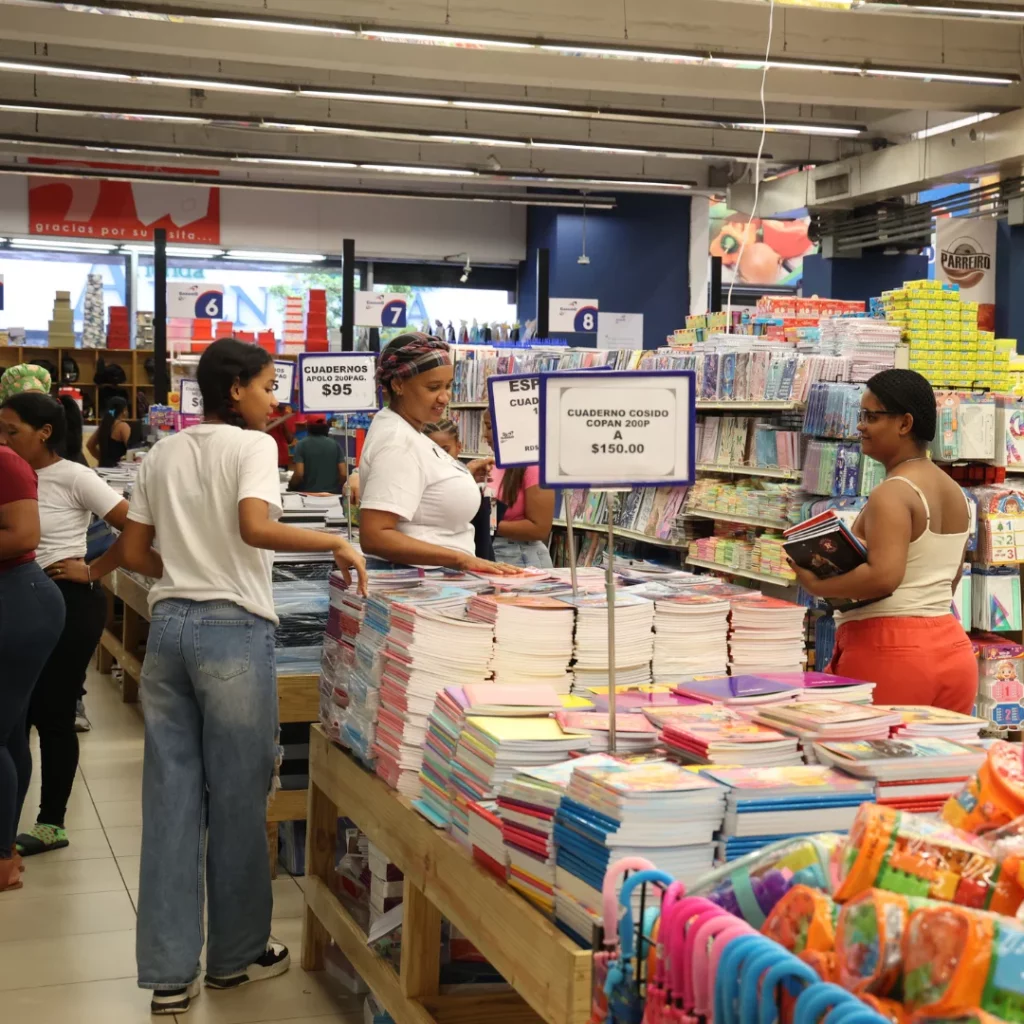
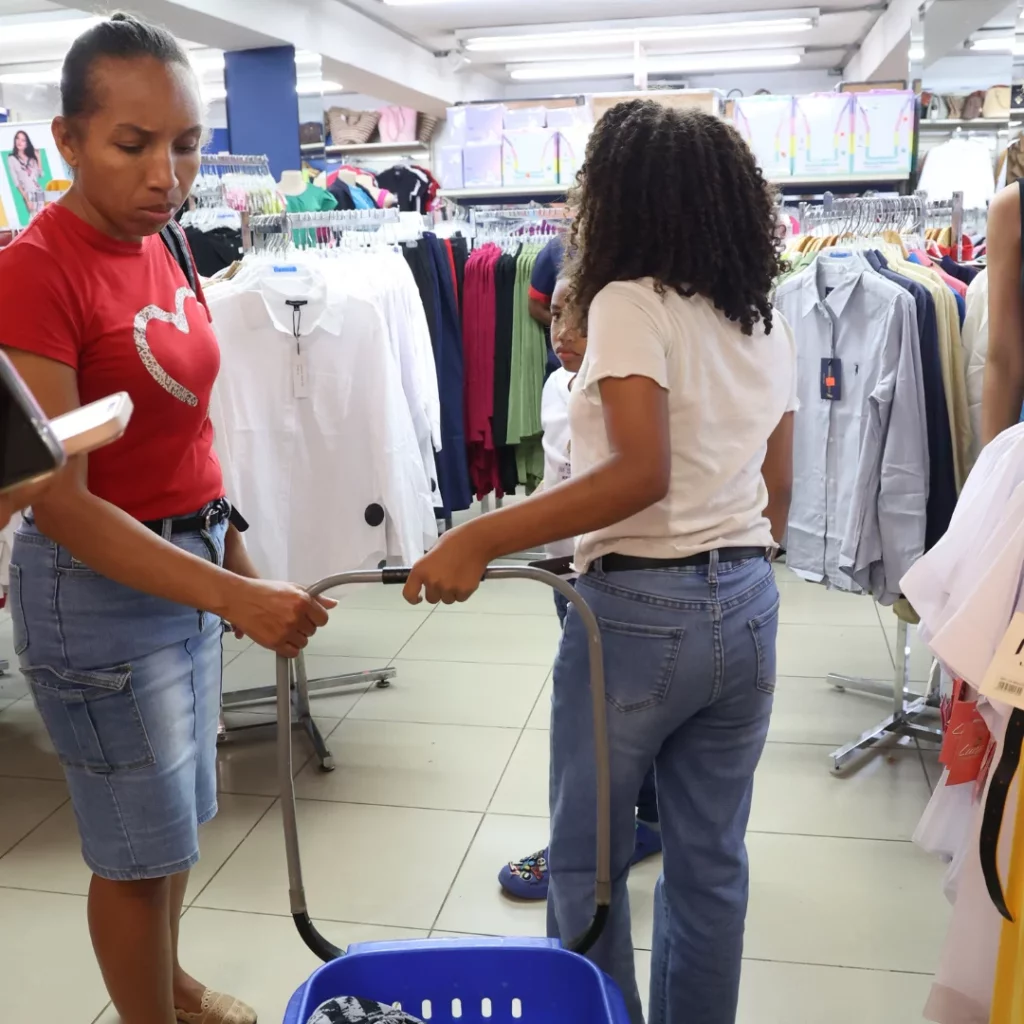
Mother Buy with her daughter the notebooks
In a country where private education is a frequent alternative to the deficiencies of the public system, this burden represents much more than a school expense: it is a barrier to educational equity.
While editorials capitalize on this consumption formula, many families must decide between paying re -registration or books, between buying religion texts or leaving that expense for later. And in the midst of those decisions, The right to accessible and sustainable education is committed.
The Dominican Government is holding talks with investment banks to acquire financial insurance that will mitigate the impact on the public finances of possible increases in crude oil, given the recent increase
Caixa Econômica Federal announced this Tuesday (3) the resumption of financing for the purchase of residential properties above R$2.25 million with resources from the savings account. The modality, framed in the Real
On February 11, a federal jury convicted Earl Richard Clouser, 55, of Burnham, Pennsylvania, for attempting to produce child sexual abuse material with a 15-year-old teenager in Cuba. According to the United
Havana/On the corner of 23rd and L, where for decades Havana waited in line to enjoy a five-scoop salad, this Tuesday the only possible taste was the bitter aftertaste of frustration. The
“PDVSA has signed supply contracts with companies marketing oil and derivatives destined for the United States market,” the state-run company reported without identifying the companies or offering more details of the contracts.