The challenges were promoted by a bottling of sugary juices and drinks and “the main producer and bottling of soft drinks” through two of its finals, the SEP reported.
A private university and a Chamber of Commerce, without detailing which, also filed legal resources, which were resolved in the first instance in four courts in administrative matters of Mexico City and in one of Tijuana, Baja California.
“The courts resolved in favor of the SEP in five cases, which supports this public policy promoted by the Government of Mexico, in coordination with the Ministry of Health, to create healthier school environments,” said the agency.
“Another institution of higher education gave up the resource he had filed against the guidelines, so there is no longer any current amparo of educational institutions that prevents the SEP from continuing with this policy, he added.
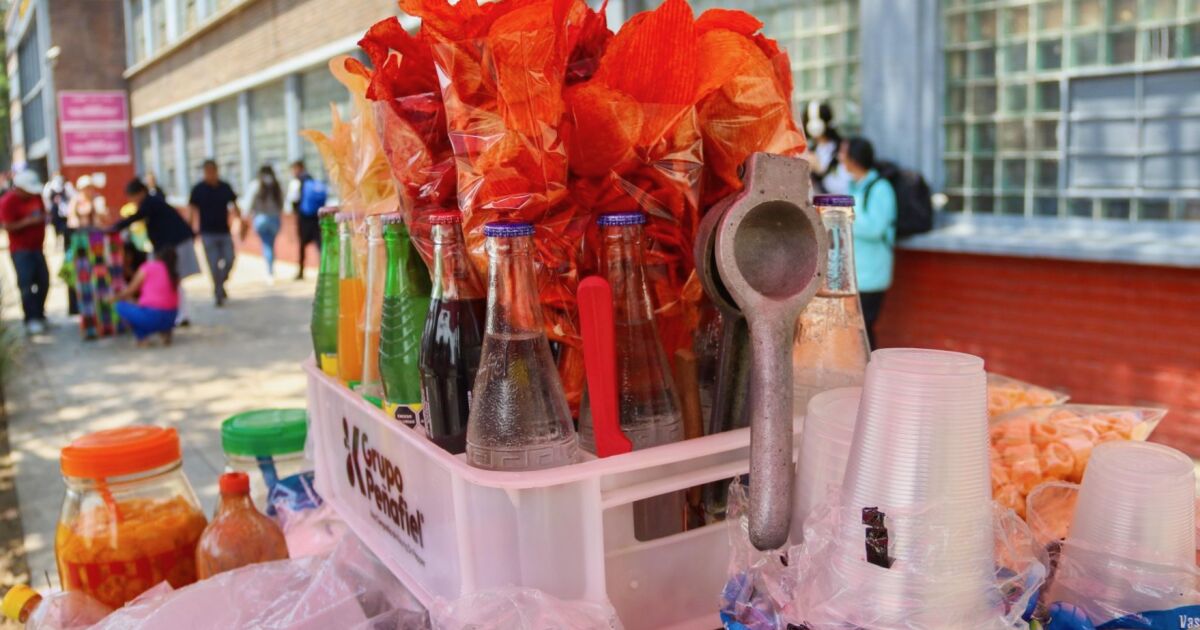
The general guidelines on the preparation, distribution and sale of food and drinks in campuses of the national education system prohibit the sale of junk food and sugary drinks in schools.
Its application is framed in the healthy live strategy, through which the health of basic education students is monitored and their weight is measured.
Not a step back against junk food ”,
Mario Delgado, Secretary of Public Education.
Specialists in Health and Civil Organizations have celebrated this measure, which seeks to control the high levels of children’s overweight and obesity.
However, some companies have tried to revoke the guidelines and some schools have not fulfilled their application.
Three months after their entry into force, almost 19,000 campuses were reported nationwide for allowing the sale of junk food in the 2024-2025 school period, according to data from the MY HEALTHY SCHOOL portal, operated by organizations the power of the consumer and the network for the rights of childhood in Mexico (Redim).