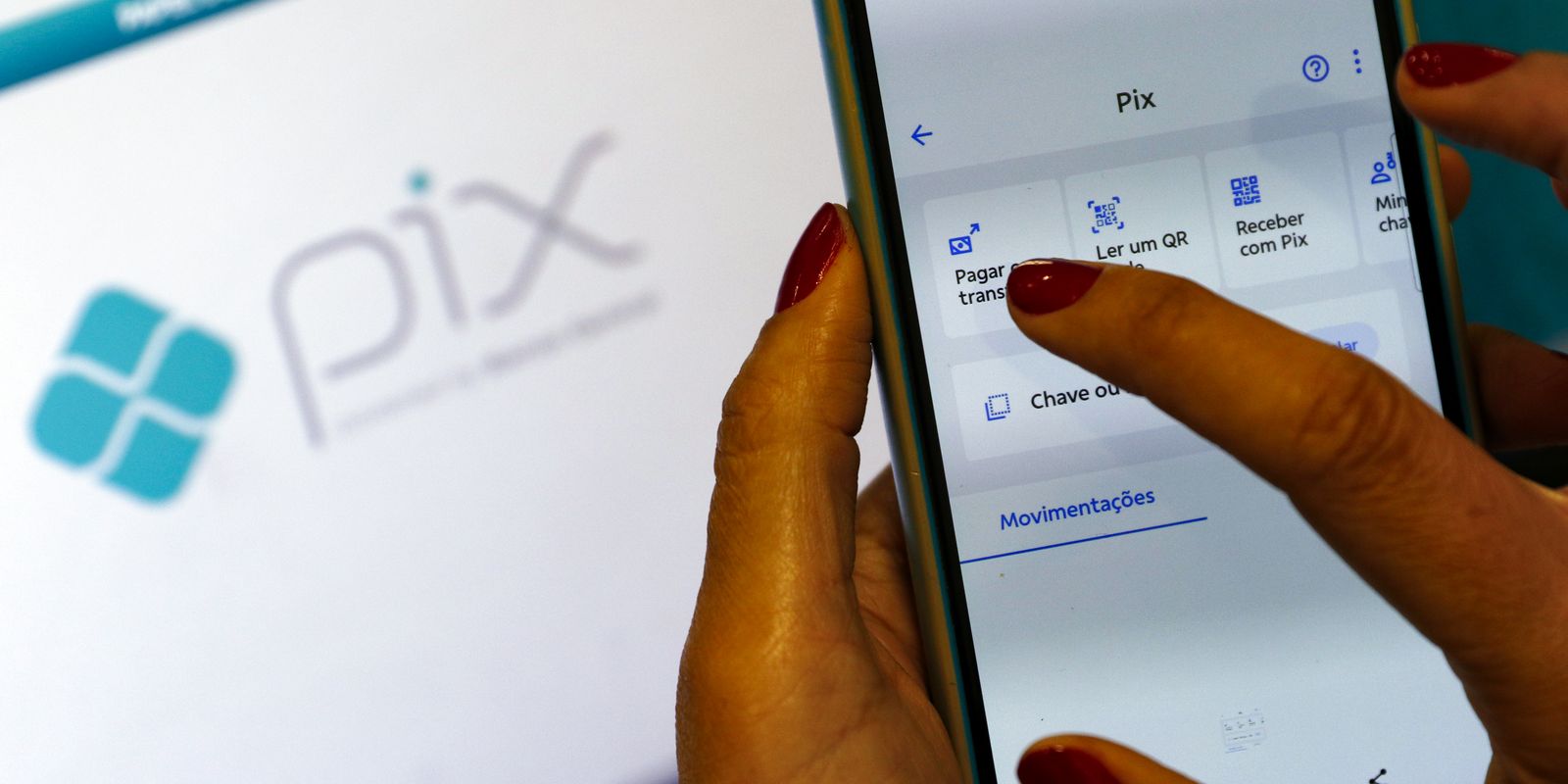
More than 119.6 million people used the internet to access banks or other financial institutions in 2024. This number exceeds 22.5 million the total of Brazilians who used Internet Banking in 2022.
The 2024 data also represents 71.2% of the 168 million Brazilians who had internet access. In 2022, the percentage was 60.1%; In 2023, 66.7%.
The data are part of a supplement on Information Technology and Communication of the National Continuous Household Sample Survey (PNAD), released on Thursday (24) by Brazilian Institute of Geography and Statistics (IBGE).
IBGE analyst Gustavo Geaquinto Fontes highlighted the growth identified by the research. “It was a very fast increase, 11.1 percentage points over a period of two years,” he says.
>> Follow the profile of Brazil agency On Facebook
Banking and pix
He explains that the research does not ask which service the person performed on the internet, but points out some hypotheses.
“It may be by increasing the bank, but also, more and more people make use of banks through mobile applications, for example,” says Fontes. “The use of Pix has expanded a lot quickly,” adds the analyst.
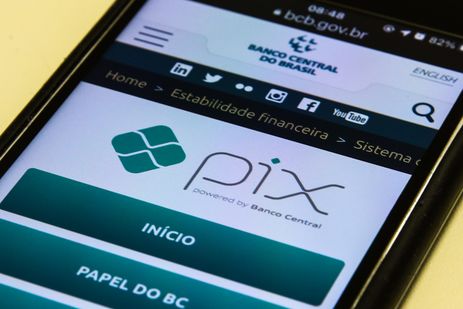
Pix had almost 160 million individuals registered at the end of June – Photo: Marcello Casal Jr/Archives/Agency Brazil
Also analyst Leonardo Quesada recalls that the specific data on access to banks or other financial institutions over the internet is collected from 2022 only, but reinforces the hypothesis of Pix.
“Pix also ends up favoring this a lot because the person ends up using it inside on the phone, on mobile using the internet, there is a bank app, so I think it made it easier, but we end up having a short series to compare before Pix. So we can’t just say about Pix, but I think it makes sense, yes, it has strengthened this movement,” he contextualizes.
Central Bank (BC) data show the evolution of banking in the country. On June 30, there were 202.5 million individuals with bank accounts. In the comparison period of IBGE – end of 2022 to the end of 2024 – the BC identifies growth of 6% (188.3 million to 199.8 million).
Created by BC in November 2020, Pix added at the end of June this year 159.9 million registered individuals. The use of this instant form of payment was even pointed out by the government of President Donald Trump, in the United States, as harmful to American companies.
Public services
Another internet use that has shown growth in IBGE research is public services. In 2022, when the data began to be collected, 54 million people performed some kind of public service over the internet. The number jumped to 65.2 million in 2024. In proportional terms, it went from 33.4% of internet users to 38.8% within two years.
“More and more public services have been available through the internet,” says Gustavo Fontes.
The IBGE survey visited households in the last quarter of 2024 and asked questions about the habits of Brazilians 90 days before the research. Some uses have been history since 2016.
The purchase or order of goods and services online It was also highlighted by IBGE. In 2022, 42% of people using the internet made any purchase or order. In 2024, it was 48.1%.

Talking by voice or video calls is the main activity of the Brazilian on the Internet – Photo: Tânia Rêgo/Agência Brasil
Main use
IBGE found that from 2019 to 2024 there was an inversion between the first two internet uses by Brazilians. In 2019, the main activity was to send or receive text messages, voice or images by different applications of e-mailwhich was 95.8% of people. In 2024, this practice, which includes the popular WhatsApp, went to 90.2%.
On the other hand, Talking by voice or video calls went in the same period from 91.4% to 95%, being currently the main activity performed by the Brazilian on the internet.
Without Data de Bets
An internet use that has grown in the country has not been specifically researched by IBGE: access to digital betting platforms, the called Bets.
The X -ray study of the Brazilian investor, prepared by the Brazilian Association of Financial and Capital Markets entities (Anbima), estimates that 23 million people made at least one bet on platforms online in 2024. This number represents 15% of the population 16 years or older.
IBGE recognizes that the use of bets “exploded in the country”, which can be rethought by PNAD.
“This technology has evolved very fast, whether services, they are internet use habits, so of course, in a next review, we can evaluate the possibility of including items that we consider to be relevant, that increased the importance of that use in society,” says Fontes, noting that the research was started in 2016 and new investigation items have already been included in 2022.