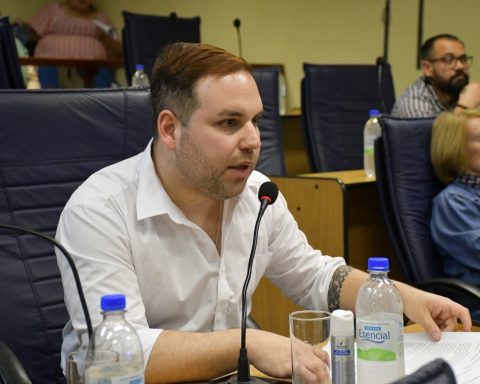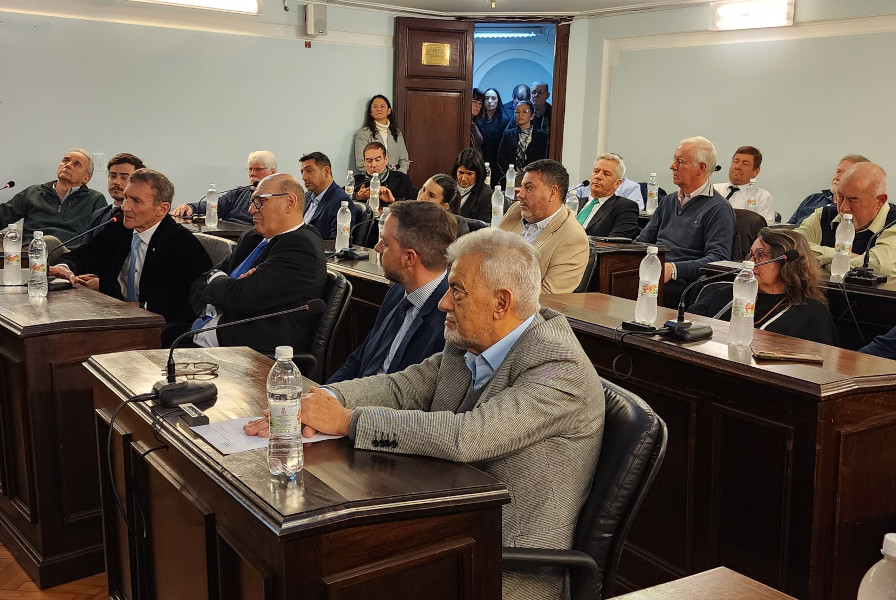
Carlos Fernández, mayor of the Broad Front at the Departmental Board of Colonia, announced the reactivation of a labor monitoring commission to address the problems of workers in the department, such as those of Yasaki, Calcar and the slaughterhouse of Rosario. In addition, he stressed that the Board has established that its ordinary sessions will be held on the second Wednesday of each month, at 7:00 p.m. in winter and 20:00 in summer, with the possibility of calling extraordinary sessions according to legislative needs.
New session calendar: second Wednesday of each month
Fernández explained that, after an agreement between the mayor, the Departmental Board defined a new schedule of ordinary sessions by 2025, setting them on the second Wednesday of each month. This change, which replaces the previous session scheme the second Tuesday, seeks to guarantee a regular space to discuss key issues of the department. In winter, the sessions will begin at 19:00, while in summer they will start at 20:00. In addition, extraordinary or additional sessions may be convened if legislative production requires it.
The mayor said that, in the past, the Board had up to four monthly sessions on Fridays, but the National Party argued that the current reduction to a monthly session responds to a lower amount of legislative files. However, Fernández insisted that “minimally should be two ordinary sessions per month”, since these allow the mayor to raise issues outside the agenda, such as citizen requests on lighting, bituminization or local needs that the municipalities do not solve.
“The Board is the resonance box of the department’s problems. There are things that happen every day and deserve to be treated,” said Fernández, underlining the need to revitalize the legislative and control role of the Board to connect with the demands of the citizenship.
Fernández also mentioned the need to defend public spaces, such as the coastal belt and Puerto Platero, and advocated tax justice policies that benefit the entire population, regardless of their political affiliation. “We want proposals that benefit whites, Colorados and all citizens,” he said.
To take into account: criticism of the operation of the Board
The mayor expressed concern about the recent operation of the Board, noting that in recent years it has focused more on administrative issues than on relevant political debates. He criticized the lack of transparency in decisions such as the election of the Secretary General, where a nominal vote was not allowed or an open discussion, especially around the re -election of Claudia Maciel, proposed by the National Party. “We have no grudge, but memory. The calls to room were shielded and the information did not arrive,” he said, advocating a ranking career officer to guarantee the neutrality of the institution.
Fernández also highlighted the importance of the Broad Front obtain the presidency of the Board at some point in the period, as in other legislative fields, as a political gesture towards the opposition.
The need for meetings with citizens
To strengthen the link with the population, Fernández announced meetings inside the department. In this sense he was in Carmelo and Nueva Palmira, spaces where they will seek to dialogue with neighbors and collect proposals. “We need people to appropriate these initiatives, beyond our political sector,” he said, highlighting the importance of citizen participation to promote projects such as the labor inclusion of people with disabilities or improvements in green spaces.
Conclusion
With ordinary sessions set for the second Wednesday of each month, the Departmental Board of Colonia prepares to resume its role as a space for debate and solution of the department’s problems. Carlos Fernández’s proposal to reactivate the Labor Monitoring Commission reflects the commitment of the Broad Front to Workers and Social Justice, while his call to revitalize the legislative activity seeks to transform the Board into a true bridge between citizenship and authorities. With meetings in Carmelo and Nueva Palmira, the mayor is committed to close and participatory management to build a more equitable colony.