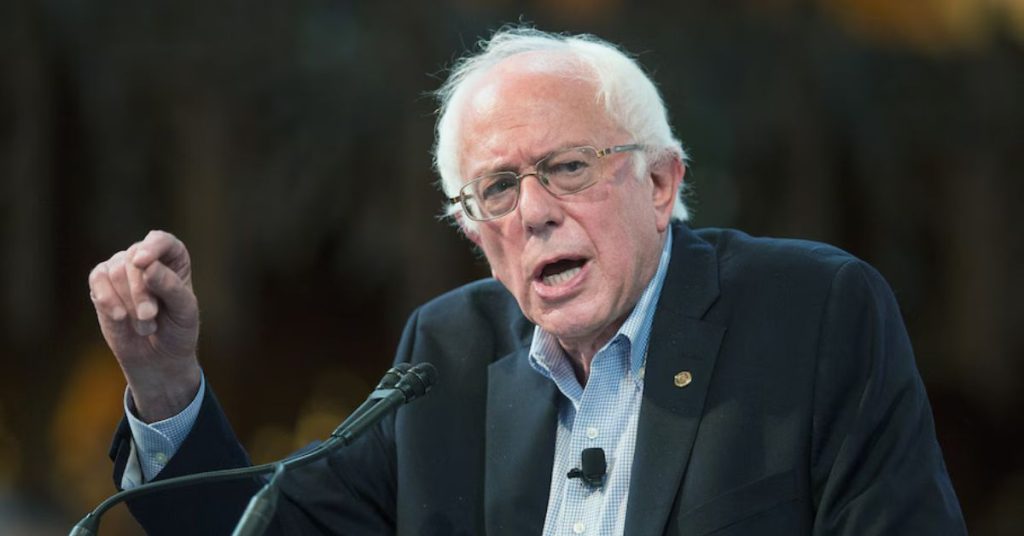
The federal government will try to a new approach with Congress in the coming weeks so that the subject of digital platform regulation will return to the law enforcement agenda, said the secretary of digital policies of the Presidency of the Republic, João Brant.
“The government is finishing defining its position of merit and strategy. Our understanding is that this regulation needs to balance three things: first, the civil liability of the platforms; second, what we call the duty of prevention and precaution, which means the need to act preventively so that there is no dissemination of illegal and harmful content to individuals or collectivities; From his activity, “defended Brant last week in a lecture at the Oswaldo Cruz Foundation (Fiocruz).
The main proposal to regulate digital platforms, the Bill 2,630 of 2020known as PL das Fake newshas already been approved by the Senate and is under analysis in the House of Representatives. The lack of an agreement, however, prevents it from advancing since last year.
Currently, these companies respond to the Marco Civil da Internetpassed in 2014. In its article 19, the law says that social networks can only be held responsible for offensive or harmful content posted by users if they fail a court order, except for unauthorized sexual content or cases that violate copyright.
In everyday life, content moderation is up to platforms, which have their own policies to decide on the exclusion of violent or liars content.
“When you will discuss environmental regulation, for example, all the time you look at systemic risks, those risks that are inherent in the activity, which affect fundamental rights or other relevant legal frameworks. And we need to mitigate these effects, impose responsibilities and costs. And what we have is a distortion of the digital environment, without the platforms to take any responsibility,” argued the secretary.
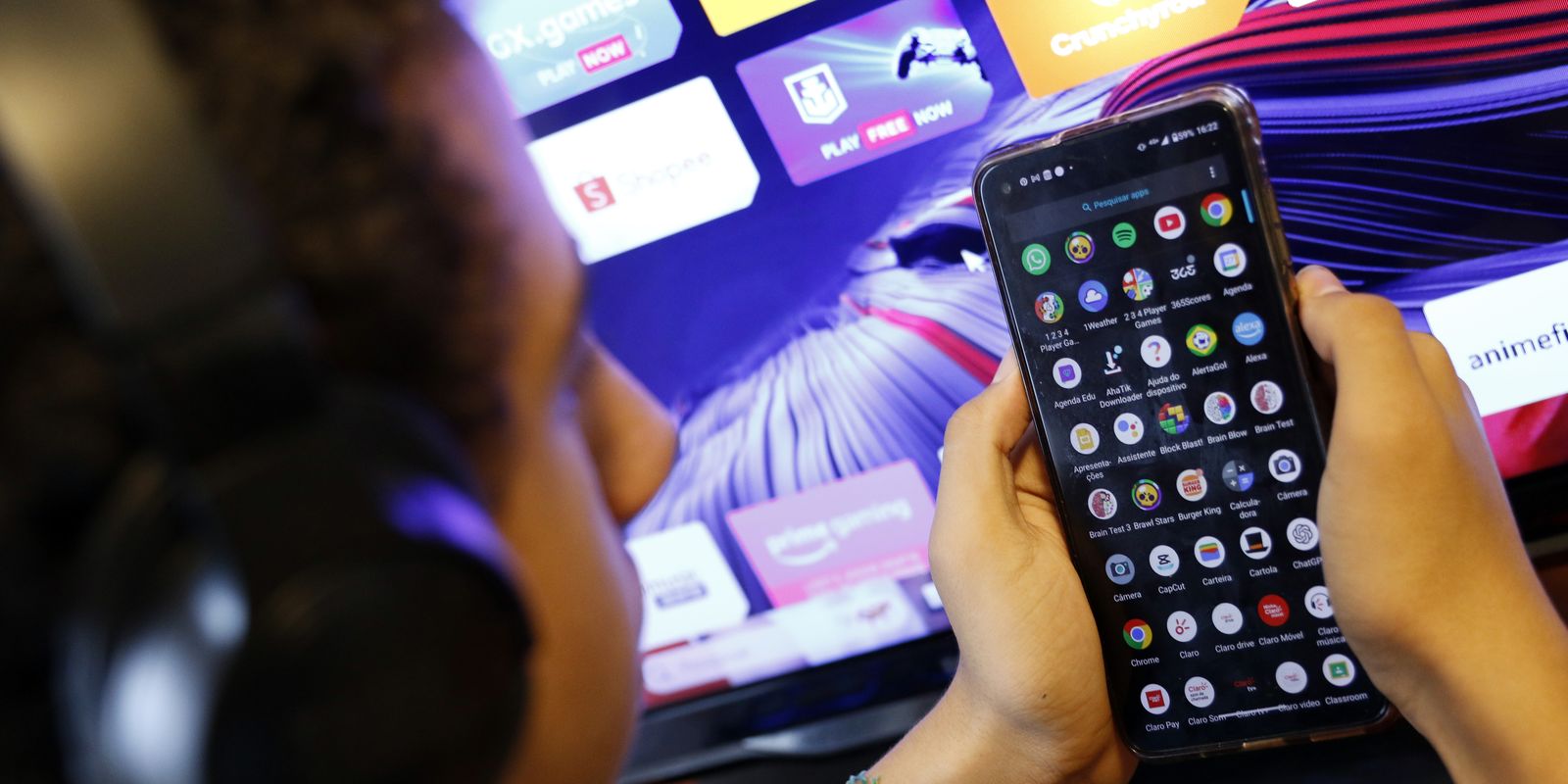
The use of social networks to commit crimes continues at the center of public debate amid allegations of violence committed against children and adolescents, and has rekindled the discussion about the regulation of calls Big Techscompanies that control these platforms.
The coordinator of the Reference Center for the teaching of the combat of the disinformation of the Fluminense Federal University, Afonso Albuquerque, agrees that the regulation of networks has become a fundamental issue and is necessary more than responsible platforms for these contents.
“It is necessary to have rules regarding the financing of these platforms that somehow establish principles of algorithmic transparency. We have an agent who has an immense ability to intervene in national debates and today, effectively, we operate in the ground of the purest illegality.”
However, he does not see a favorable scenario to this discussion in the National Congress at first. But indirect and unforeseen aid may come from the effects of Donald Trump’s government in the United States: “We are living a very chaotic moment, in which it is not possible to do very clear analyzes. A few weeks ago, we had a closing situation of platforms with Trump government interests. But now that tariffs are affecting the pocket of the billionaires that supported Trump, this is not such a transparent scenario.”
For Afonso Albuquerque, Donald Trump’s actions have also placed the United States as opposed to many countries, inciting in many of them the need to defend their sovereignty in various fields, including the influence of US digital platforms.
“He and the characters involved, particularly Elon Musk, but the [Mark] Zuckerberg also showed little subtlety in their interest in intervening in internal affairs in other countries, particularly in Brazil. And in doing so, they raise the agenda of sovereignty. I think this threat has been present since the platforms exist, but the aggressive behavior of the Trump government members, particularly their alliance with Brazil’s anti-institutional right sectors, make this threat very visible, “explains the expert.
The Secretary of Digital Policy of the Presidency of the Republic, João Brant, adds that the results of the clashes between Musk and the Federal Supreme Court created a positive precedent not only for Brazil:
“It is a moment when you test, this relationship with national states is starested. The whole world keeps looking to see what Brazil will do, and Brazil makes a decision to suspend the service until it did not comply with court orders.
The best of this story is that it ends with Musk having to succumb to the Brazilian state, stumbling to comply with the rules to return to the air. “I would say that there was a turn of a turn when several countries understood that we cannot deal naturally with the fact that they choose which rules to meet.”
Brant also believes that two frequent situations can contribute to the population to press legislators towards regulation: “The protection of children and adolescents, which I think is a key theme, where the problem is more explicit, and also the amount of scams and fraud in the digital environment, and a part of the platforms is including the partner of these blows, because it gets money to convey fraudulent content.”
Already the coordinator of the Reference Center for the teaching of combating UFF disinformation, Afonso Albuquerque, argues that It is necessary to go beyond national regulations, with the creation of agreed transnational mechanisms and governance institutions that establish and supervise compliance with global rules.