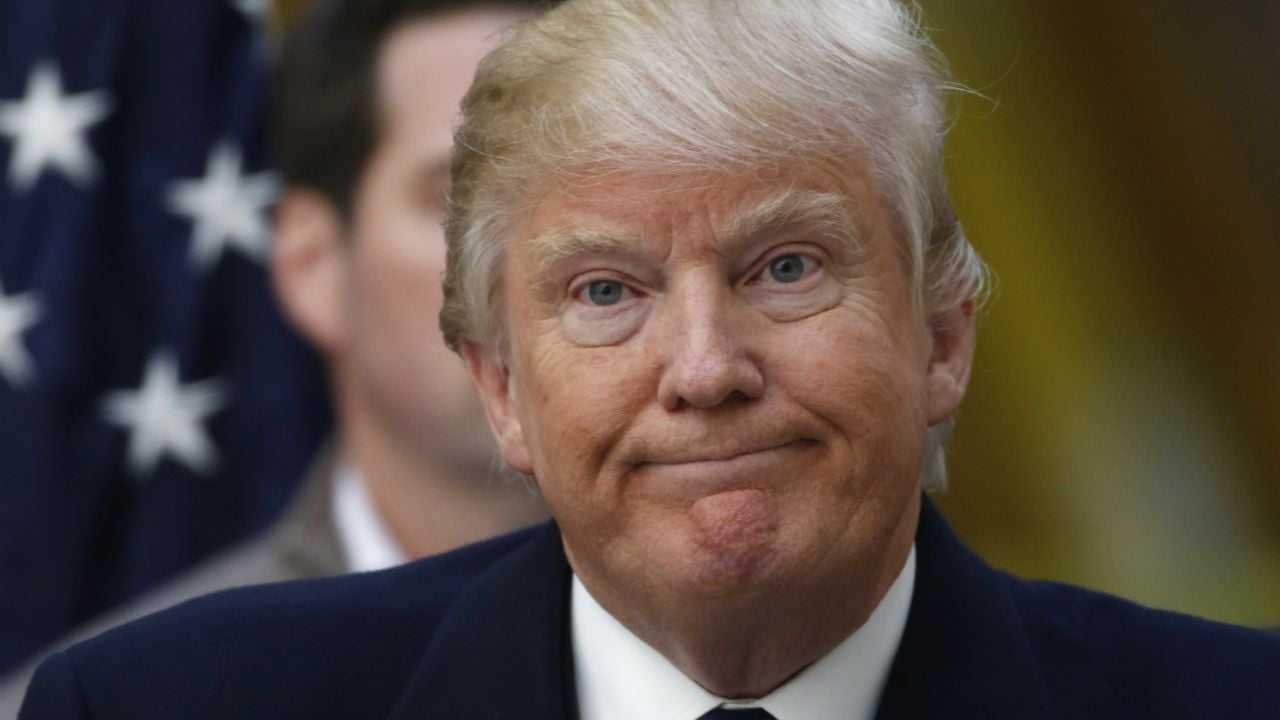
The president’s announcement Donald Trump To establish a 90 -day pause in the generalized rise in tariffs has generated a significant impact on international trade, and Argentina is no exception. Although this measure seeks to relieve commercial tensions with several countries, the decision to maintain a 10% tariff floor for most nations, including Argentina, raises challenges and opportunities for the local economy.
In addition, the warning of a White House official about Argentine flesh adds a nuance of uncertainty that deserves to be analyzed. The measure of Donald Trumpannounced within the framework of a tariff escalation that has affected multiple commercial partners, establishes a 10% universal tariff for most countries, while Chinese products face much higher levies, up to 125%.
In the case of Argentina, this tariff floor eliminates the comparative advantage that the country had in front of other nations that faced higher rates. According to experts in international trade, such as Marcelo Elizondo, this decision levels the land for all countries, but also reduces the competitive opportunities of Argentina in the US market.
One of the sectors most affected by this measure is the agricultural, especially exports of Argentine meat. The United States Secretary of Agriculture, Brooke Rollins, supported the “United States first” policy and pointed out that products such as Argentine flesh could be in the sight of additional protectionist measures.

This generates concern in the Argentine export sector, which already faces significant challenges due to the additional costs involved in the new tariff scheme. In practical terms, the 90 -day break offers a window of opportunity to renegotiate commercial terms with the United States.
According to official sources, more than 75 countries, including Argentina, have initiated conversations with the White House to seek agreements that mitigate the impact of these measures. However, the success of these negotiations will depend on the ability of the Argentine government to present proposals that benefit both parties and the provision of the administration Trump To make your position more flexible.

Economic impact
The economic impact of this measure is not limited to the agricultural sector. Other sectors, such as aluminum, steel and autopartes, also face challenges due to specific tariffs that remain in force. In addition, the uncertainty generated by changes in business policies could lead to Argentine companies to postpone investment and expansion decisions, which would affect short -term economic growth.
On the other hand, some sectors could find opportunities in this new scenario. Products such as peanuts, wine and honey, which have a lower dependence on tariff markets, could benefit if they manage to quickly adapt to new commercial conditions. However, this will require a coordinated effort between the private and government to identify opportunities and develop effective export strategies.
Followers in Google News And in our channel of Instagramto continue enjoying the latest news and our best content.