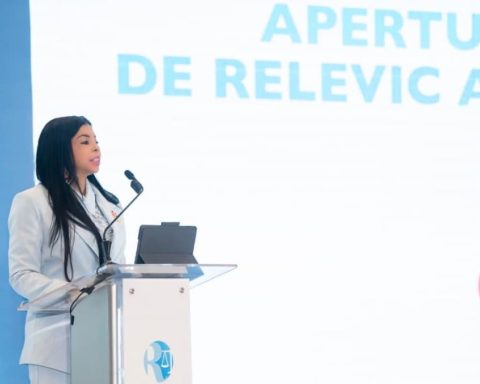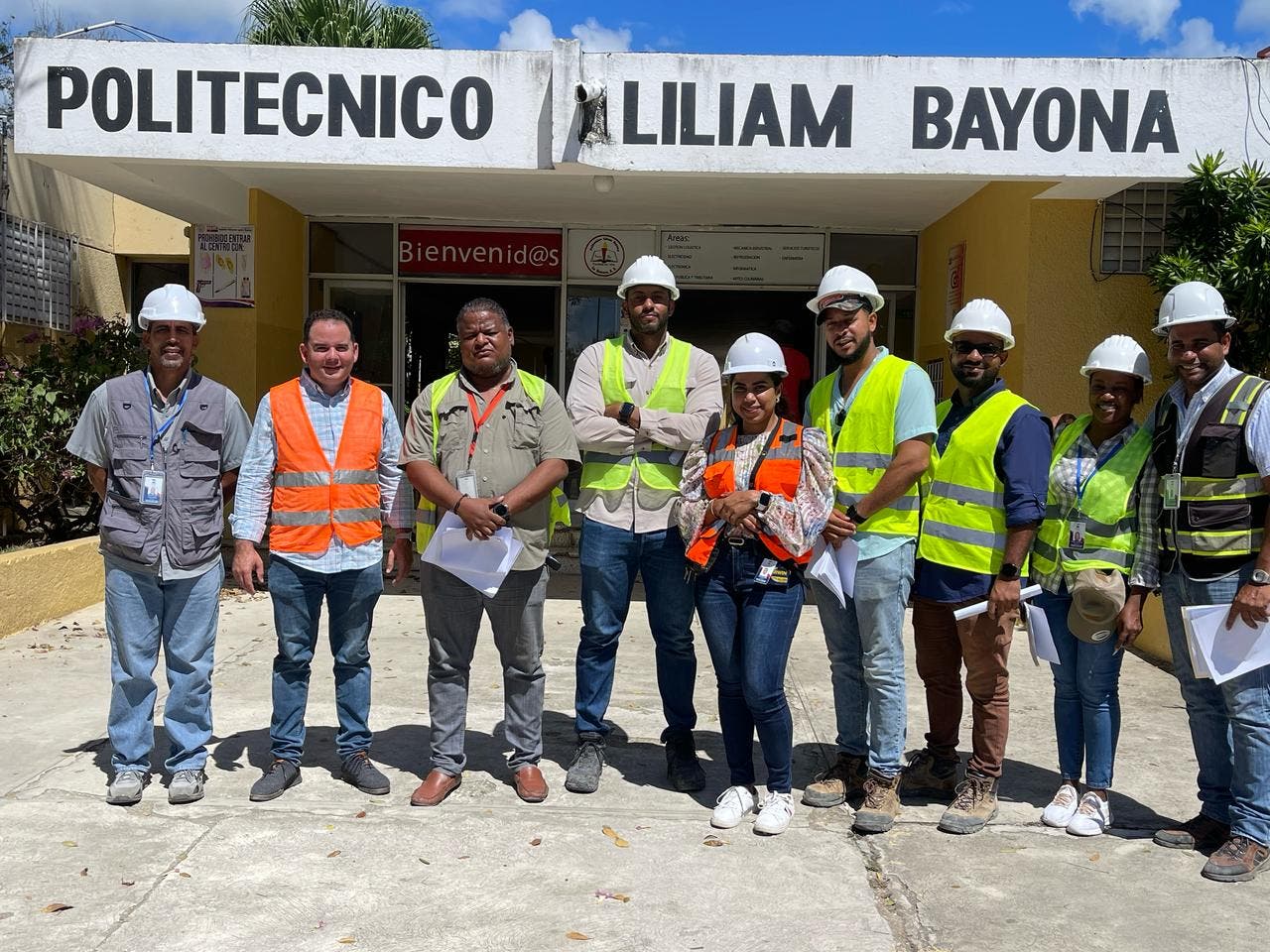
As part of the president’s prioritization, Luis Abinader in strengthening the security and modernization of 7,500 educational schools, The National School Infrastructure Improvement Plan has started today.
With the vision of transforming learning spaces and adapting them to current demands, the Minister of Education, Luis Miguel de Camps, has instructed the execution of this initiative. The engineer Roberto Herrera, who is in charge of the Directorate of School Infrastructure (DI) of the Ministry of Education of the Dominican Republic (MINERD), leads this important project.
In that sense, the director of the DI, Roberto HerreraHe pointed out that his management will focus on offering rapid and efficient responses, working directly from educational centers.
“We have just finished a meeting with much of our technicians and engineers and we are closely monitoring, to continue the program with the evaluation day of the maintenance that our campuses require,” added Herrera.
Likewise, he announced that the work day, began today Tuesday, March 11 and will remain active until Friday, the 14th of the Corrientes.
Finally, he explained that he maintains his commitment to work hard to improve educational infrastructure and guarantee a service that benefits the entire nation.
About the plan
The National School Infrastructure Improvement Plan begins with a first phase, an exhaustive operation to identify priority problems in schools and a detailed survey of needs.
The director of the DI, revealed that there is a regional link of school infrastructure that works closely with the regional and district directors in the person of Rafael Amador Figaris, who together with a technical table records the needs of masonry, painting, electricity, plumbing, ornament, courts, ceilings and waterproofing.
The aforementioned Minerd unit revealed that 2,440 C will be coverededucational entrachs of the 7,500 in this first intervention.
In turn, they detailed that a team of School Infrastructure Supervisors of the DIE is deployed nationwide checking the emergencies.
In short, this first phase of the plan will last one week, and then continue with the processes of volumetry and costs.