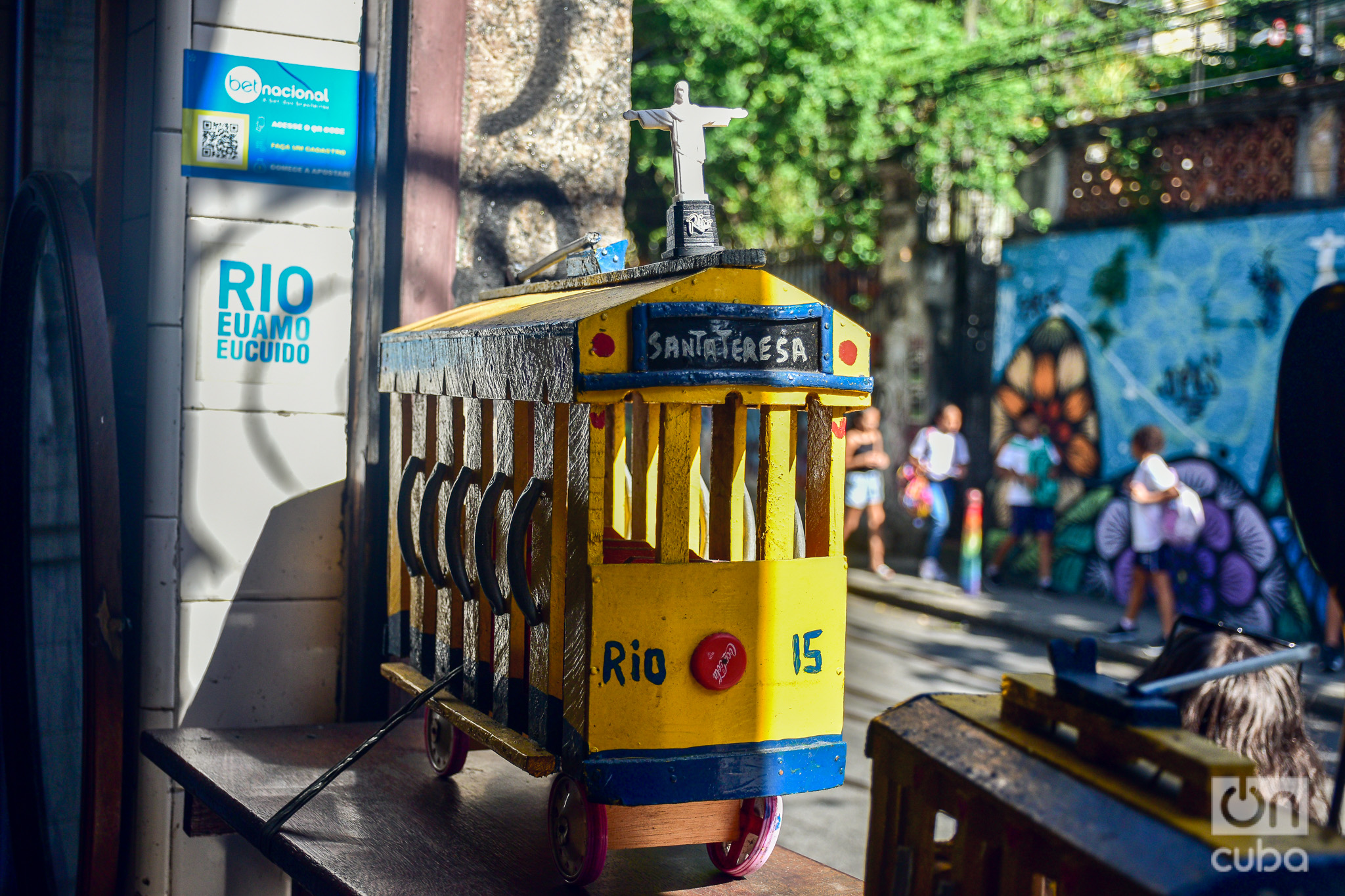
The word love and phrases like “Love is beautiful and is free …” they fly over and over again, written among Getúlio’s sculptures. The artist confesses that love and nothing more than love is his philosophy of life.
Getúlio Damado (1955) was born in Happy Waiting, a corner of Minas Gerais, in southeastern Brazil. At 16 he arrived in Rio de Janeiro and settled in the neighborhood of Santo Amaro, in Gloria. But his heart took him to Santa Teresa, the bohemian and artistic neighborhood in which he would find his place in the world.
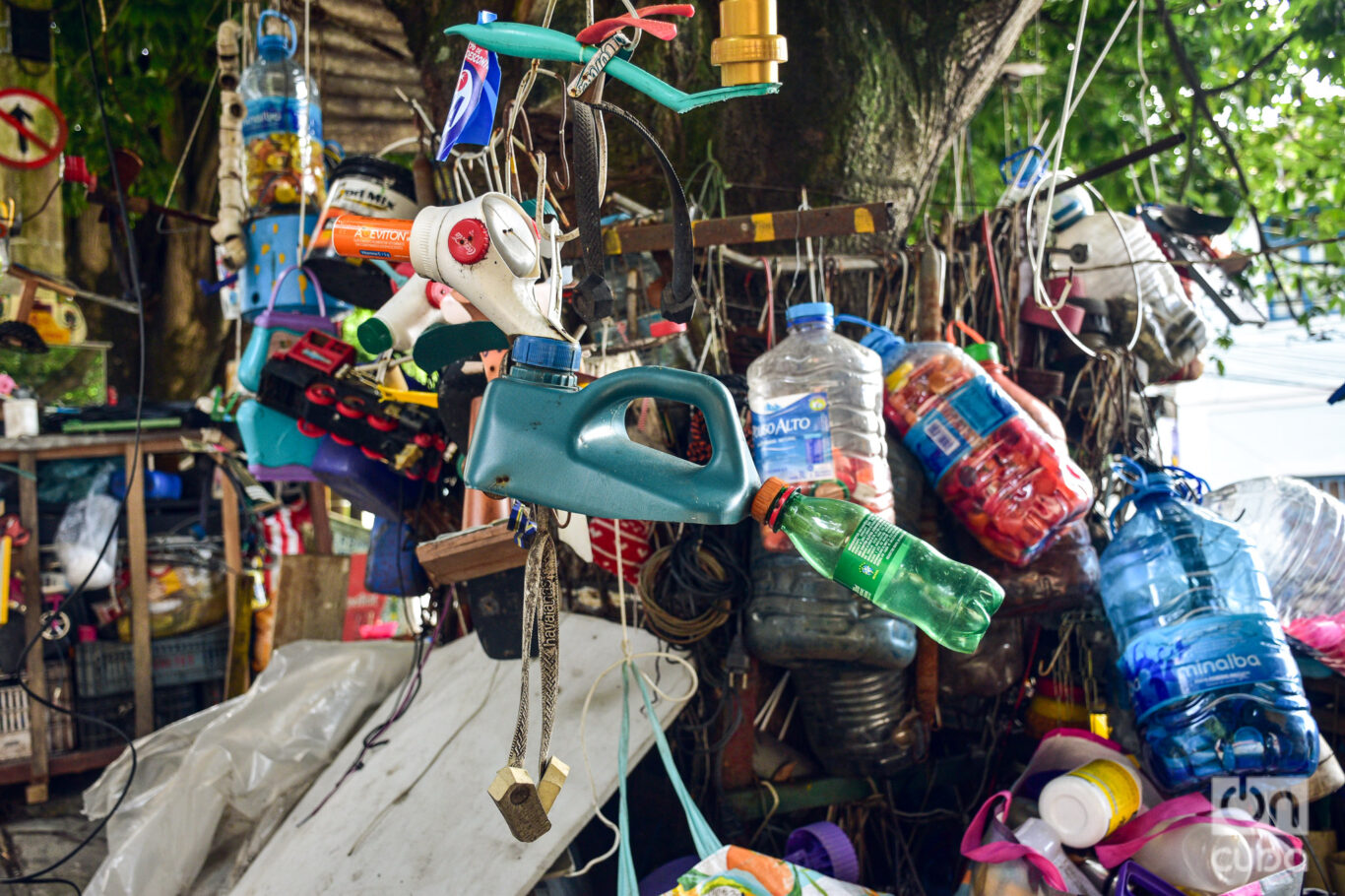
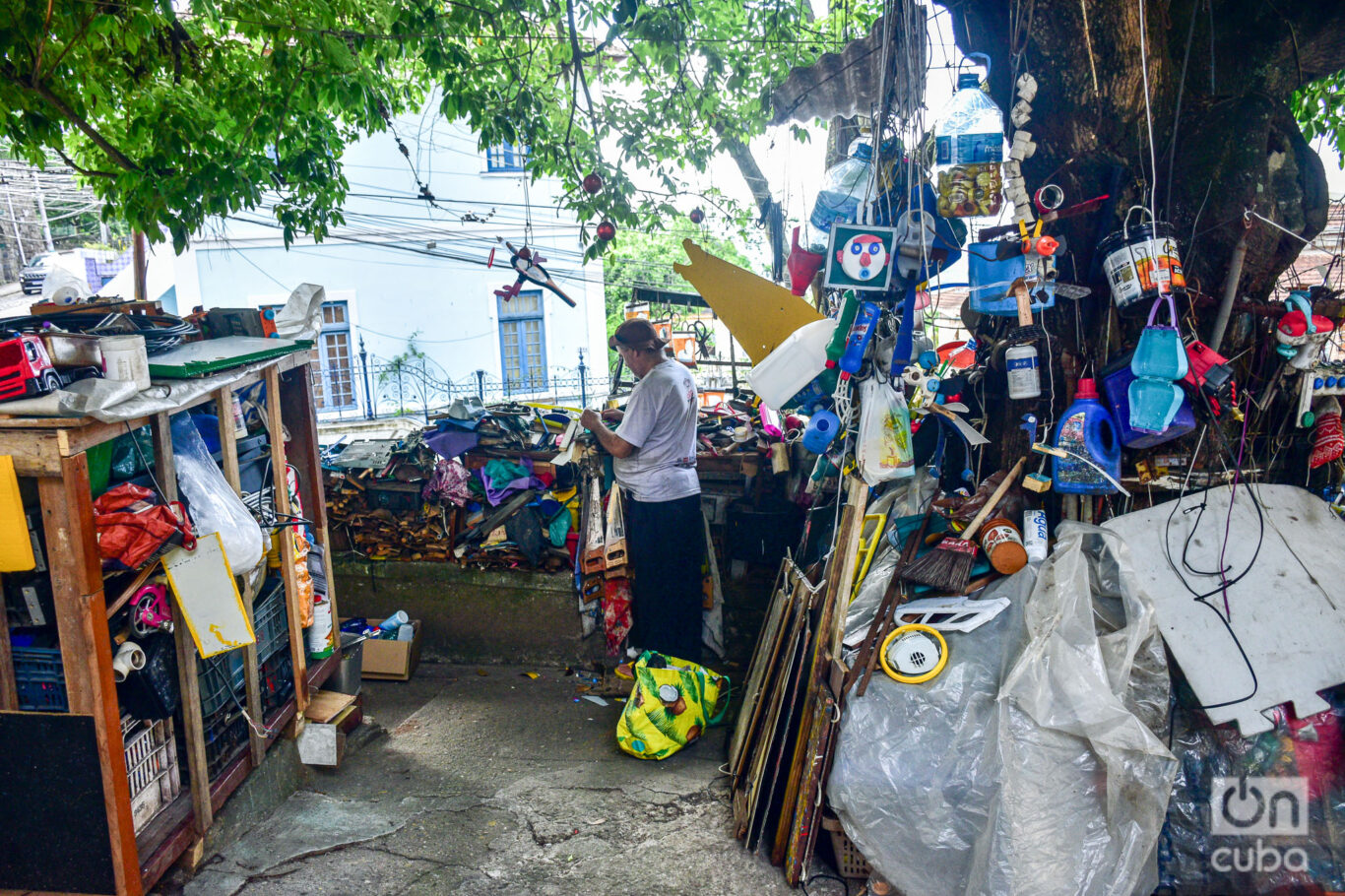
While working as a barber, builder or sweet seller to subsist, he began to collect discarded objects in the streets: plastic bottles, pieces of wood, leather and rubber pieces, a chair without legs, a mutilated toy. Everything that the world despised, he rescued him to feed a passion: create sculptures.
Among the fluctuations of the economy and the responsibility of raising only three children, one day he decided to invest their savings in the construction of a kiosk to sell sweets, refreshing drinks, newspapers and magazines. Of course, somewhere in Santa Teresa would be the indicated site.
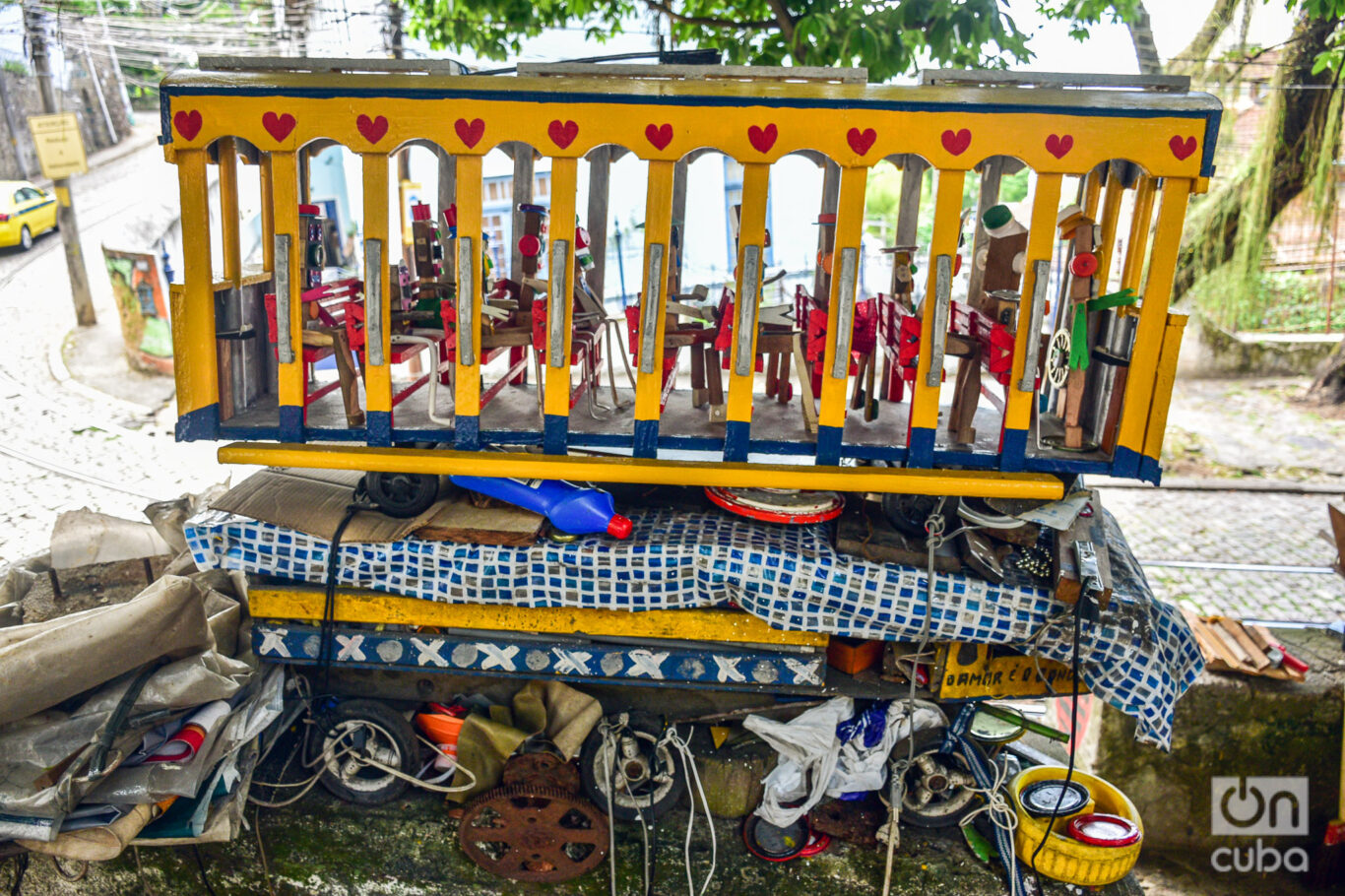
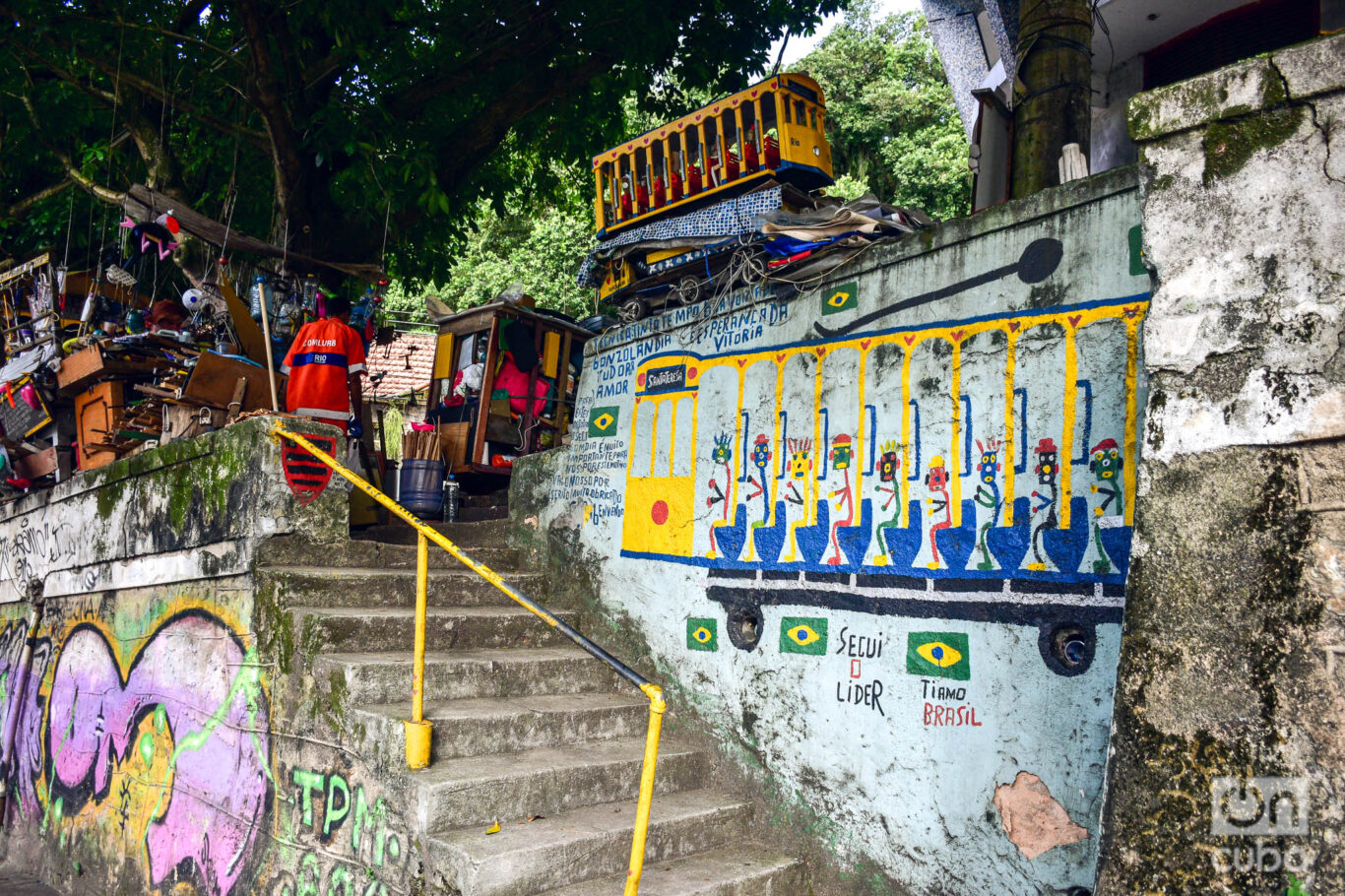
Not only opened the place, but he designed it with the form of a Bondinho, The emblematic tram that joins the center of Rio de Janeiro with the neighborhood. Little by little, the sculptures took the kiosk and was renamed Atelier Chamego Bonzolândia.
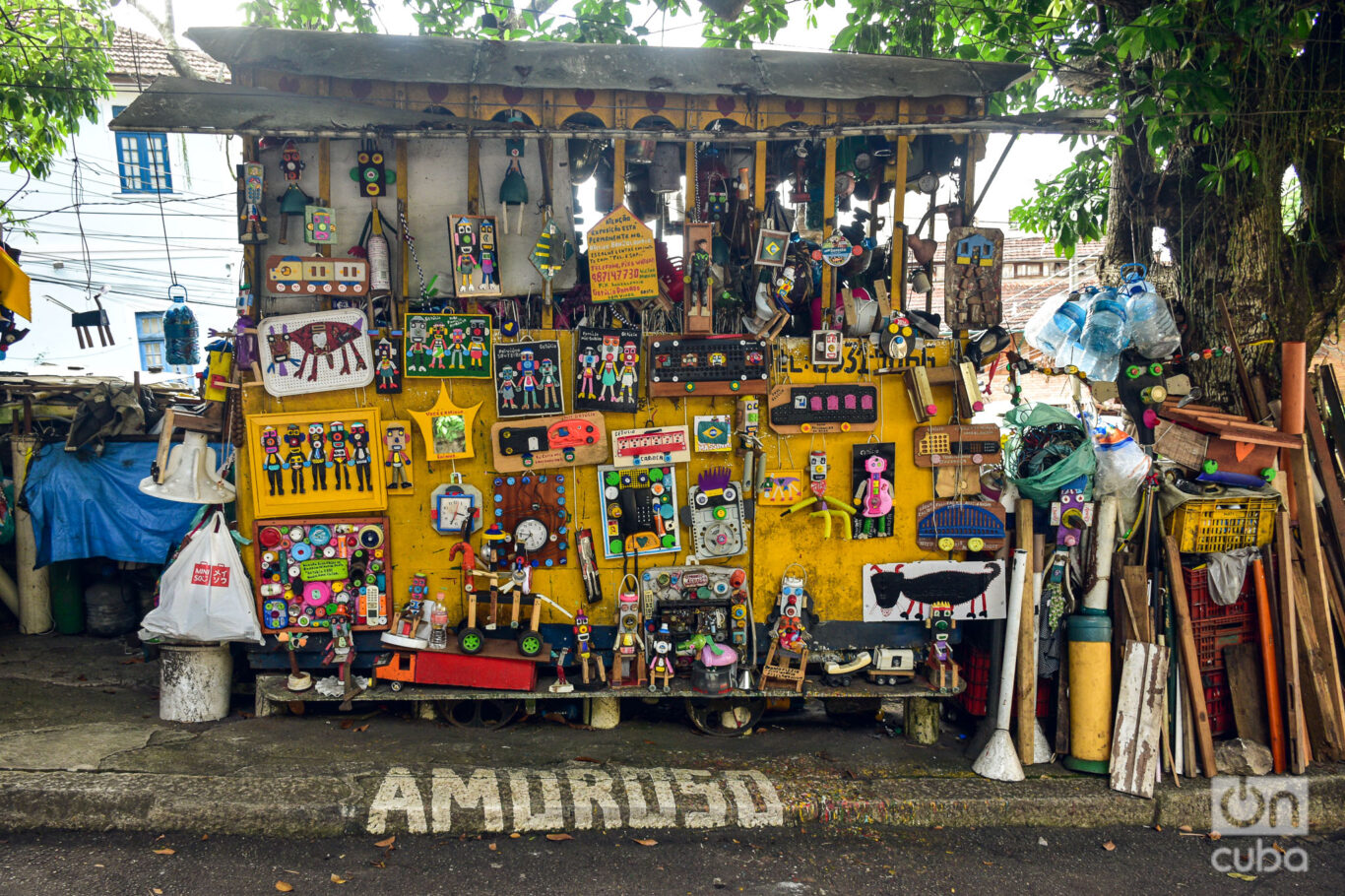
Until that outdoor artistic refuge and sheltered by leafy trees in one of the curves of the steep Rua Leopoldo Fróes I arrived while walking in the Bondinho.
I got off at a nearby stop and Getúlio saw me approach, camera in hand. He greeted me while molding a piece in which I worked. Without words, I understood that I was invited to explore your world.
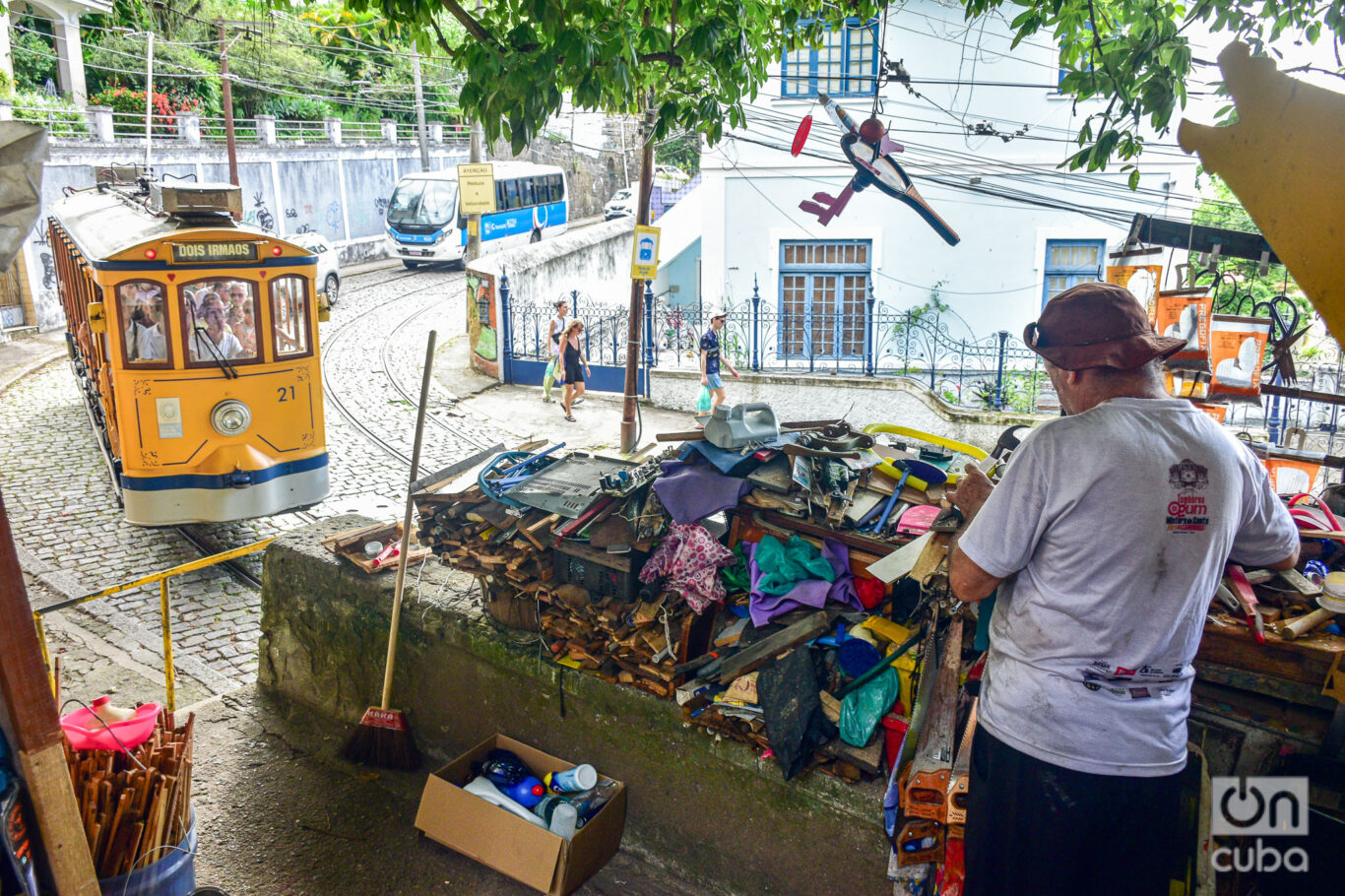
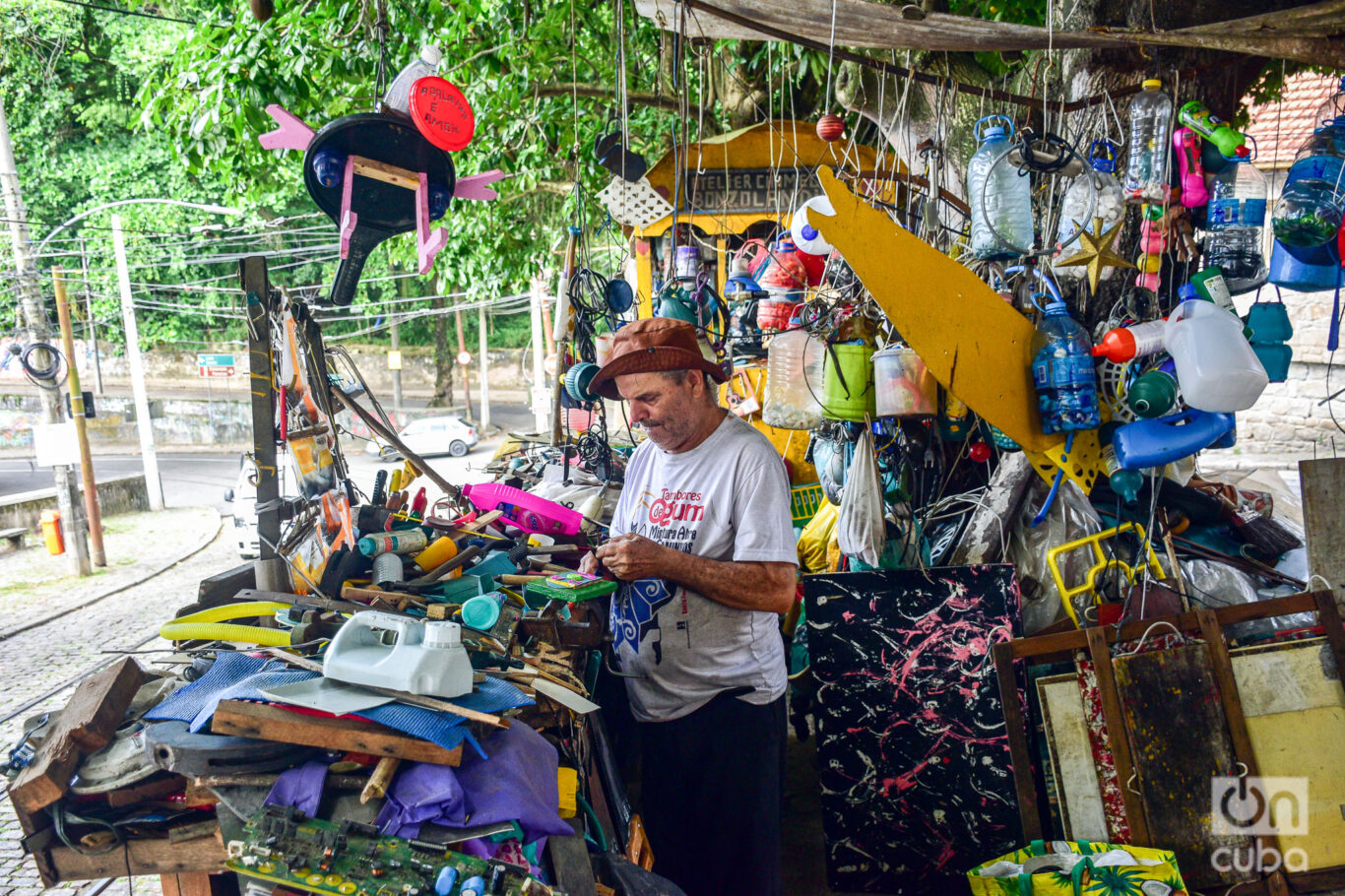
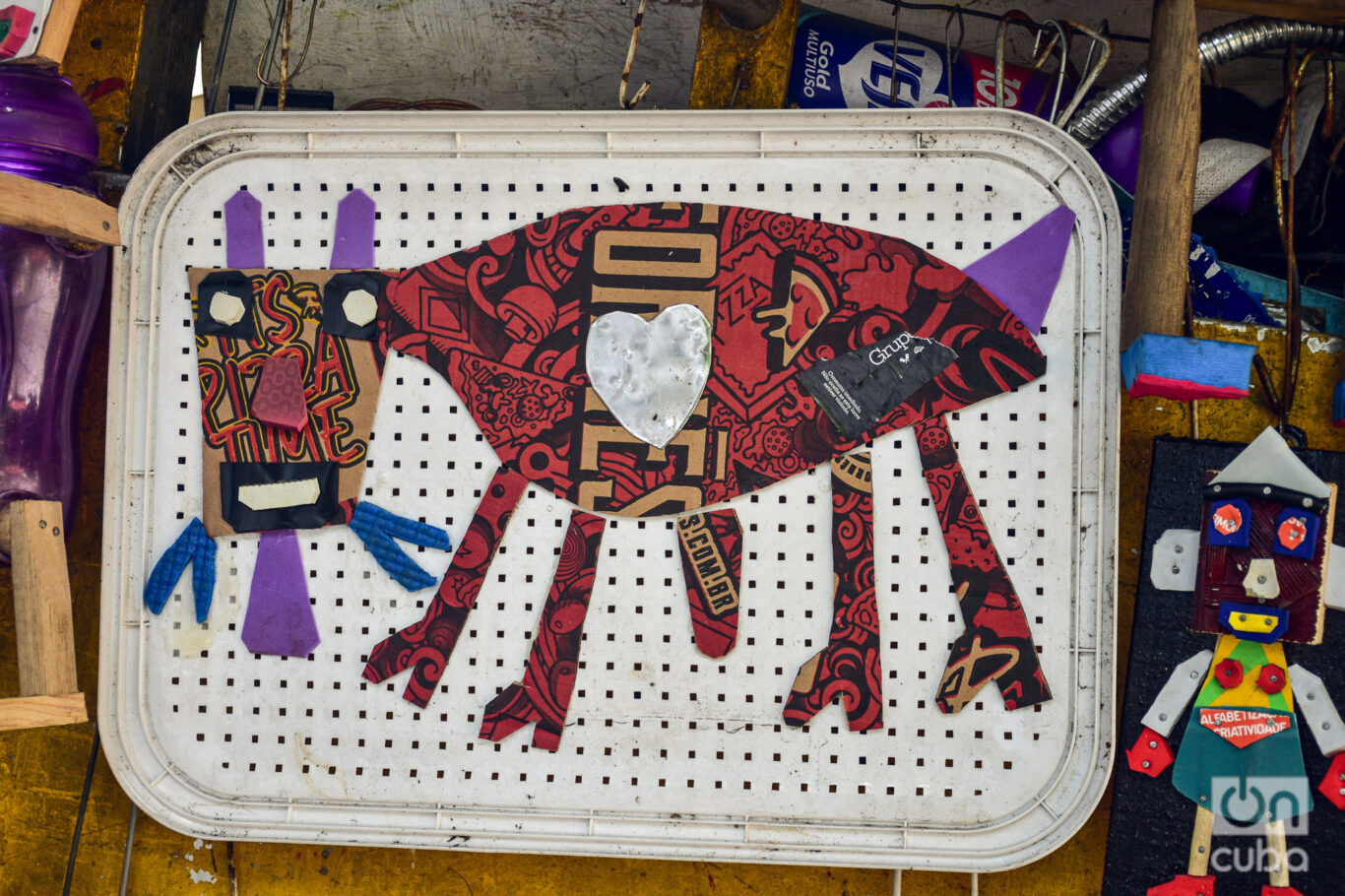
His works of art vibrate with the tropical colors of the vegetation surrounding the neighborhood. Green, red, yellow. There are flowers, animals, cars, entire families built with bottles of hat as a hat, nuts like eyes, rusty nails such as smiles and spent wood. In each piece there is a soul, a story, a look that has resignified what others have discarded.
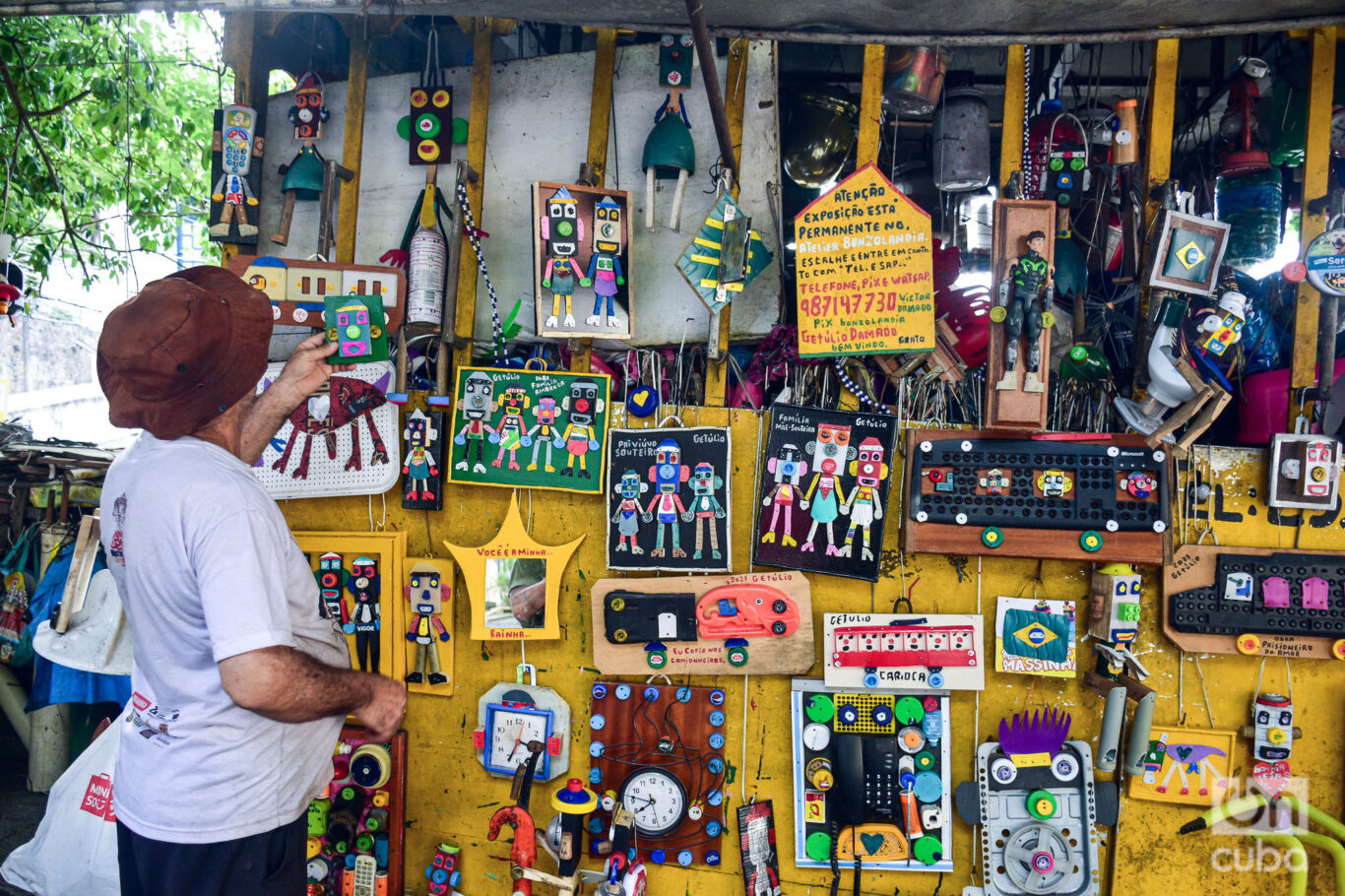
Getúlio’s creations also reflect the contrasts of Santa Teresa, where old mansions live with the colorful houses of the favelas.
They say that almost all children in the neighborhood have some of their doll, made with recycled materials, and that in restaurants and stores in the area their miniatures of the Bondinho.
“To the things that are ugly, put some love, and you will see that sadness is changing color,” Teresita Fernández sang in “The ugly,” the most beautiful song in the world. His verses seem to the extent of Getúlio, a modern alchemist, an extraordinary being capable of transforming the brokenness into art, forgotten. Rescues what the world turns its back and gives it a new life, more beautiful, more expressive.