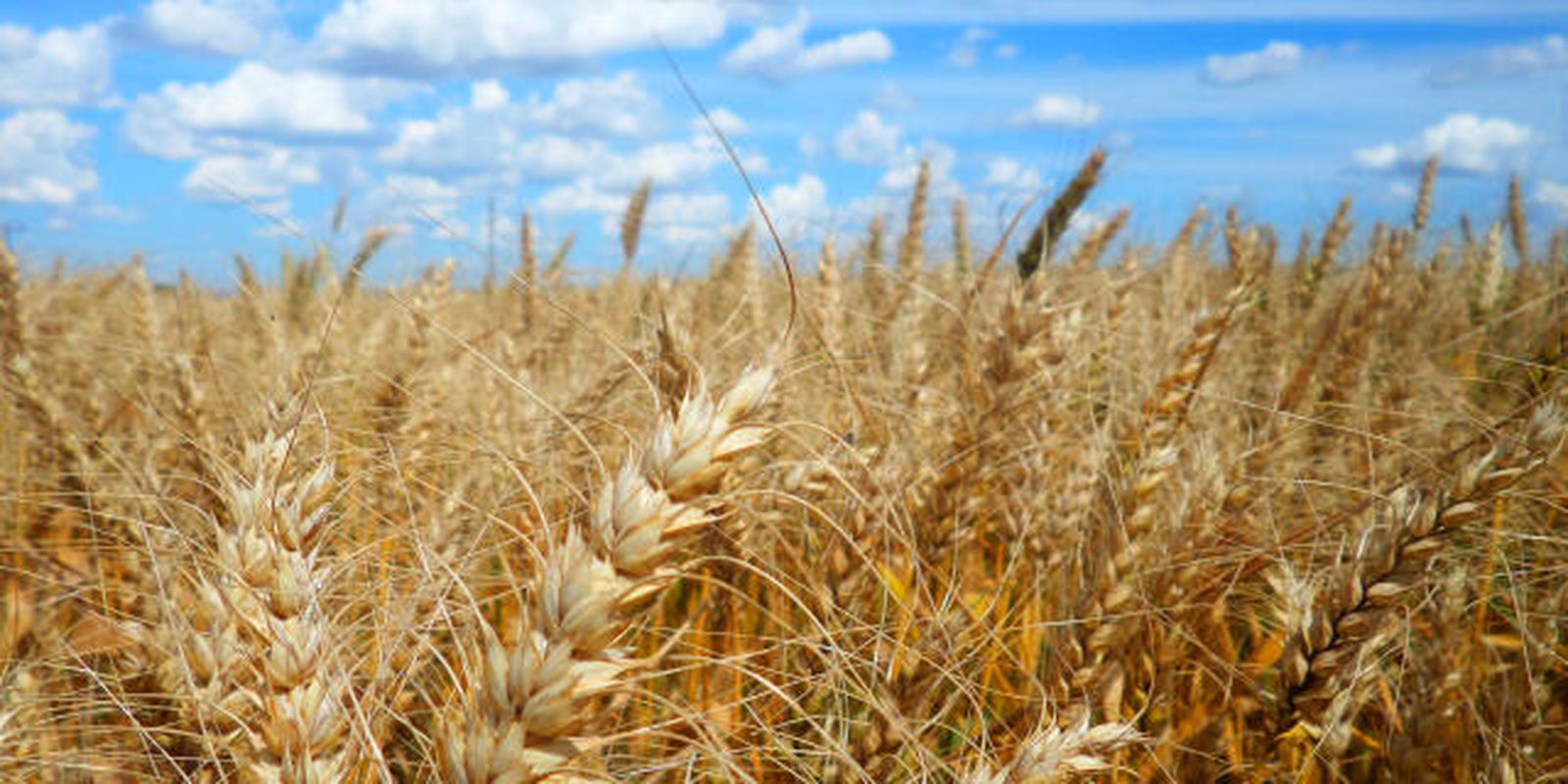
The excess heat of the last days is affecting soybean, corn and rice crops in southern Brazil and also coffee and fruits plantations in the Southeast region. Each year the impacts caused by climate change on food production increase.
According to climatologist Francis Lacerda, a researcher at the Pernambuco Agronomic Institute, agroecology strategies can slow these effects and decrease the threat of food insecurity. At least for now. “There are practices that can still reduce these effects. I still say because soon it won’t be able to be able to,” warns the expert.
The first mission is to reforest. “A practice that is done a lot in agroecology is the consortium. You plant a fruit tree and, on the side, you plant a legume, beans, corn, make this planting all together … And these plants will interact in a way that go Beneath each other. best [quando] associated with large trees that shade for them. We need to make a reforestation and implement this model of the agroforestry system, “says the expert.
She adds that culture diversification favors soil fertility and protection, as well as reducing the risk of pests and diseases, “contributing to the non -use of pesticides and ensuring the farmer’s environmental and financial advantages, such as lower investments and harvesting diverse products, avoiding economic risks from extreme weather conditions “.
Changes surprise farmers

The climatologist of the Pernambuco Agronomic Institute Francis Lacerda. Photo: IPA/Disclosure
The climatologist recalls that the vast majority of foods consumed by Brazilian families are produced by family farmers, who are increasingly surprised by climate changes.
“Because they can no longer have the practices they had to plant in such a period, to reap in another. And usually when we have these heat waves, [o total] Of some organisms in the ecosystem that are more resilient – insects, fungi and bacteria – increases a lot and they rock production, “he emphasizes.
Therefore, Francis also advocates public policies to implement technologies so that communities can capture and store their own water and generate the energy consumed, becoming less vulnerable to climate effects.
It should be “autonomy to these communities to produce their own food within these conditions, and even reforestation of their property, it is possible, it is cheap and the farmers want,” he says.
Until this is not largely done, the incidence of some endemic plant species of Brazilian biomes is decreasing, according to the climatologist, “including species adapted to develop in dry and hot areas.”
Water in the roots
“The umbuzeiro, for example, a plant that is a reference for the semiarid. It is very resilient and holds water in its roots because it is used to dealing with droughts. The umbuzeiros are fading from the landscape because they can no longer adapt to These current climate variables, “he says.
The climatologist of the Pernambuco Agronomic Institute also says that these lessons can be applied to the urban environment, “reserving spaces in the city that can serve to cultivate food, such as productive backyards and living pharmacies. But you need to have a public policy that guides and finances. Because those who have money have the food sought, but without social justice, climate change is not combated. It is necessary to think of innovative ways of producing and ensuring water, energy and food safety for the populations of the countryside and the city, “he concludes.














