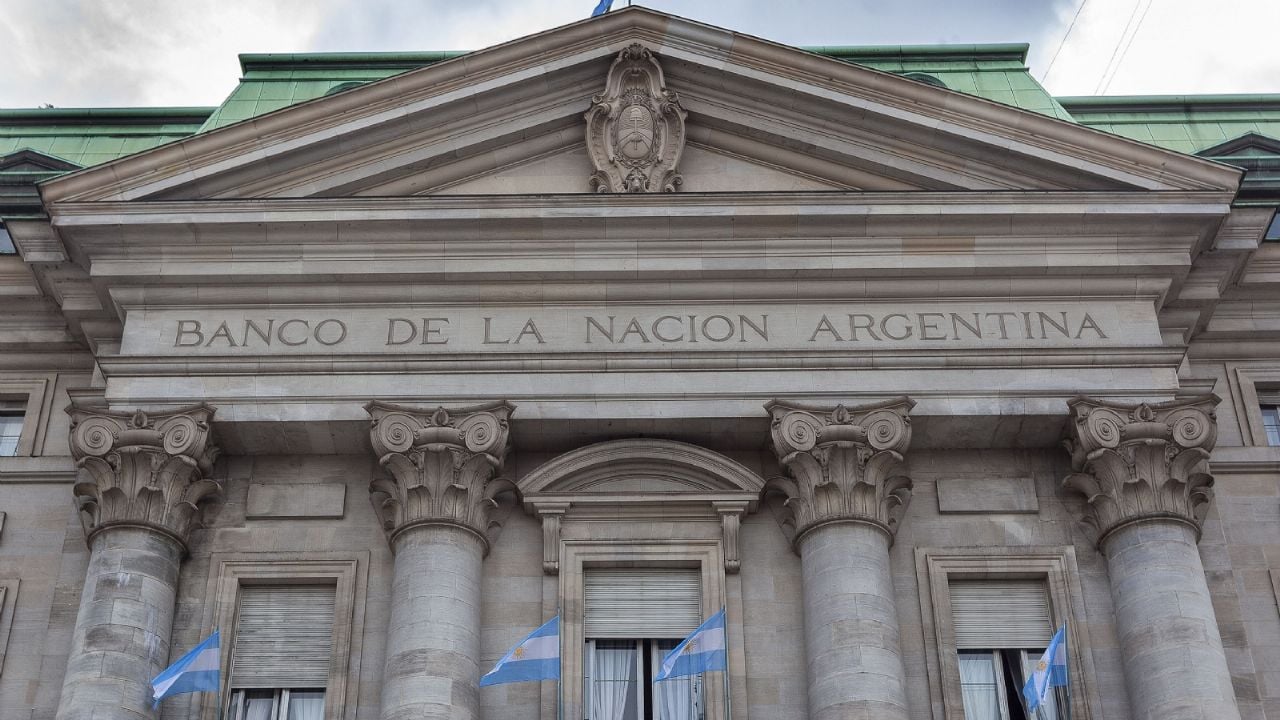
This Thursday, the National Government surprised public opinion by publishing in the Official Gazette a decree through which the transformation of the National Bank In a corporation. This decision, promoted by President Javier Milei, marks a turning point in the country’s financial history and raises important questions about the future of the entity and its implications for the national economy.
He National Bankfounded in 1891, has been one of the most emblematic and solid financial institutions in Argentina. Throughout its existence, it has played a crucial role in the country’s economic development, offering credit to small and medium enterprises, financing infrastructure projects and supporting key productive sectors.
However, in recent years, the Bank has faced various challenges, including a growing default in loans, liquidity problems and a heavy administrative structure that hindered its operation and efficiency.
Given this panorama, the Milei administration decided to undertake a series of structural reforms to modernize and revitalize the entity. The publication of the decree in the Official Gazette details the legal and administrative steps necessary to make the National Bank a corporation.

This transformation implies significant changes in the government structure and bank management, with the aim of providing it with greater autonomy and flexibility to operate in the financial market. One of the most outstanding points of the decree is the projection of total assets of $ 48 billion pesos, which reflects the magnitude and importance of the entity in the national financial system.
This conversion will allow National Bank access new sources of financing, attract investors and improve their competitiveness against other financial institutions, both national and international.

Reactions
The transformation of National Bank In a corporation it has generated a wide range of opinions and reactions in the political and financial sphere. On the one hand, the defenders of the measure argue that this reform is necessary to ensure the viability and sustainability of the bank in the long term. They maintain that the new structure will allow more efficient and transparent management, which will result in better financial services and products for customers.
On the other hand, the critics of the decision express their concern about the risk of privatization and the possible loss of state control over such a strategic institution. They fear that conversion into a corporation can lead to a decrease in the country’s economic and social development approach, instead privileging the interests of shareholders and short -term profitability.
Followers in Google News And in our channel of Instagramto continue enjoying the latest news and our best content.