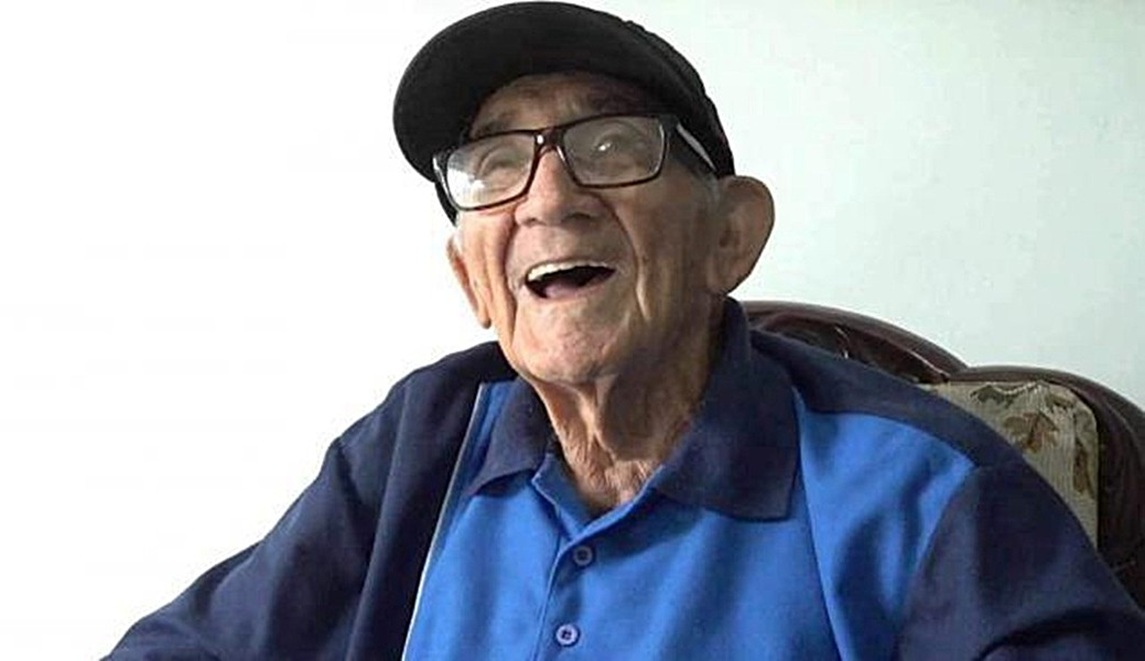
Cuban Ibrahim José Brull Arias, the world champion of baseball More long, he died Monday in Havana at the age of 96, confirmed the Cuban baseball and softball federation (FCBS).
Through its X account, the entity expressed the pain for the death “of the most veteran of our players with international highlight.”
Pain in him #Beisbolcubano.
The legendary Ibrahim José Brull Arias has died.
At 96, he was the most veteran of our players with international highlight.
He shone as a pitcher, with world titles in 1951 and 1952.
Our condolences for family and friends. pic.twitter.com/hynnow9ek2– Cuban baseball and softball federation (@cubanabeisbol) February 18, 2025
The publication also refers to its quality as a pitcher, and its fundamental contribution to the conquest of world crowns in the 1951 and 1952 years.
1952 World Series
Brull Arias was born in the city of Bayamo, located in the current province of Granma, and stood out as a player in several amateurs and professionals of the island before the triumph of the revolution, and the establishment of the national series.
He starred in his most remembered performance at the XIII World Baseball Series in 1952, held in Havana, when he launched the decisive party against the representation of Venezuela that the hosts won.
In today’s Latin American stadium, the Granmense tolerated two scores in eight chapters against Venezuelans, a disadvantage that his teammates erased in the ninth chapter, before scoring three times an entry later to ensure the victory, a note of the newspaper Tribuna de la Havana on the occasion of its 95th birthday.
In the universal appointment held a year earlier “he had looked in the box with a couple of victories against Costa Rica and the Venezuelans themselves, who also connected a home run.”
Add that publication that Brull managed to perform only one year as a professional in the United States due to an injury.
For his part, the journalist and historian of baseball, Yasser Porto, highlighted in an entrance of his Facebook profile that Brull Arias was one of the few players of the previous stage to the national series that remained residing on the island.
Shortly after, Porto criticized the Cuban sports authorities, mainly those of baseball, for delaying almost 24 hours to mention the news of the death of the player, and the little impact of the fact in the Cuban press media.