Every first Sunday of February as today, the National Day of La Pachamanca is celebrated, an ancestral preparation that revalues agricultural work but also implies the economic reactivation of a productive chain in the Mantaro Valley.
The chef and teacher of the Dave Zavala Continental Institute said that Pachamanca is one of the most important potajes in Peru and much more in the central region, where its preparation is in different ways.
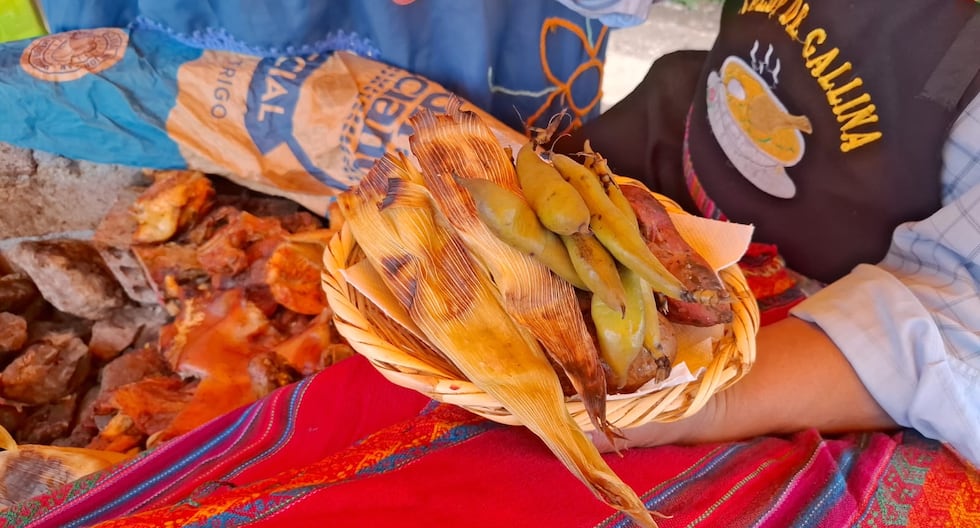
On Saturdays and Sundays Arcadio Papuico Sanabria, his wife Ernestina Astucuri, her 3 children and even the sister -in -law are responsible for preparing 40 to 90 dishes of Pachamanca. To do this, from the previous day the dams of ram, pig, chicken and guinea pig in Marmaquilla, Ají Panca and other supplies. They also prepare the humitas, potatoes, sweet potato and beans.
Although the work is very hard, it is worth it, since they can win up to a thousand soles in their restaurant on San Luis Avenue with Palián Avenue, every weekend. As soon as the oven opens and there is a row waiting to eat.
ANCESTRAL.
“The context of Pachamanca is to thank Earth for everything that gives us, so there is a cultural contribution of its data preparation even from the pre -Inca era,” said chef Dave Zavala.
For preparation, ram meat, corn (humitas), potatoes, beans that occur in the region are used. In Huancayo, it is macerated with various herbs, but the main one is the bad makeup, which penetrates the flesh and gives it a characteristic aroma. For the oven it is necessary to get good stones and hot in two hours, the baked inputs are placed and the cooking comes out in 45 minutes. Its nutritional value is high with protein, carbohydrates and vegetables that contribute to good diet.
The Pachamanca has several restaurant and recreation routes on the left and right bank of the central road, in Huamancaca, Chupaca, Pilcomayo. In the southern zone there are routes such as Azapampa and also Sapallanga and Pucará in the east zone by Palián to Cochas.