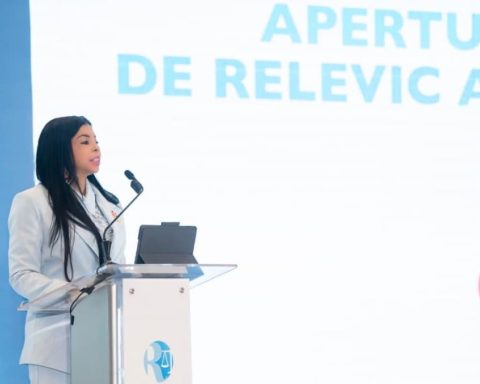
The Association of Multiple Banks of the Dominican Republic (ABA) highlighted the credit performance favorable performance exhibited by micro, small and medium-sized businesses led by women, recording that 85% of their financing remains up to date with their obligations.
The data evidence a solid portfolio and constitutes an indication of responsibility and financial sustainability, in accordance with the findings of the initiative WE Finance Code which coordinates the banking union.
The information was collected through the WE Finance Dashboarda tool developed with the technical and methodological support of IDB Invest and IDB Lab, which aims to provide information that generates solutions to reduce the financing gap for women entrepreneurs.
As part of the results of the data platform, the solid performance of the mixed leadership which register a 93% current portfolio and progress in territorial inclusion, with a participation of rural women of 22%.
Structural challenges
However, the ABA stated that there are structural challenges relevant, such as a level of informality that reaches 72.8%, which limits the access to financing of a larger scale and term.
Another challenge, he indicated, is the gender gap in credit amounts. The financing to MSMEs led by women They are 38% lower than those granted to those led by men.
“The information collected through the WE Finance Dashboard during 2025 shows that the gender gap in it MSME financing in the Dominican Republic is not explained by access to credit, but by structural differences in the scale of financing,” considered the ABA in a press document.
The entity that brings together multiple banks assessed that these results are the product of information captured in real time and recorded for the first time in a common databaseand allow us to move “from a discussion based on perceptions to a public policy agenda and financial supported by evidence“.
In that order, he reported that last year financial entities began to use these results to develop evaluation models credit adapted to contexts of informality, strengthen financial education and digital, incorporate business support services and innovate in the design of financial products with an inclusive approach.