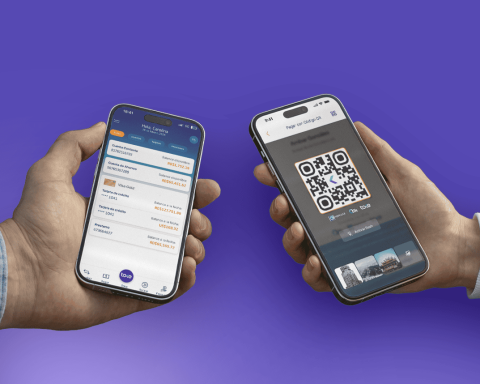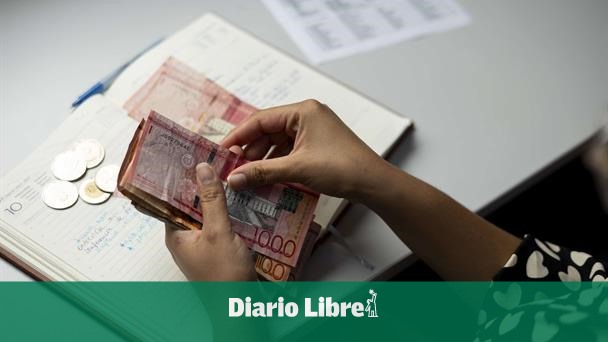
Despite the technological advances that the payments industry has experienced in recent decades, which have been transferred to the Dominican Republic, the country still continues with a high level of use of cash in the exchange of goods and services, a situation that limits the financial inclusion of people and companies.
75% of the average consumption made by a person in the country is paid with physical moneya problem to which is added the low penetration of points of sale (POS, in English), which is 17 per thousand inhabitants, an amount that in other nations in the region, such as Costa Rica or Brazil, is 30 and 90, respectively.
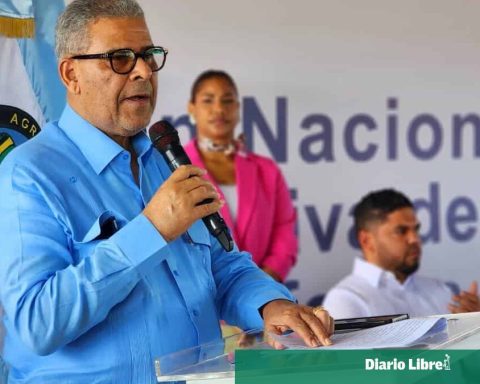
The statement corresponds to Thomas Alonso, General manager for the Dominican Republic and Haiti of the company Mastercardwho highlighted that, despite the challenges, the country is one of the countries with the greatest dynamism and potential for this firm in all of Latin America.
“The amounts we can still digitize from existing (cash) payments make it Mastercard can add a lot of value, regardless of whether the economy grows or not. The part of cake that is still cash is big. Furthermore, we are lucky that the pie is getting bigger and bigger because the economy grows thank you very much to the various sectors,” he said.
![[object HTMLTextAreaElement]](https://resources.diariolibre.com/images/2025/12/05/tomas-alonso-gerente-general-para-la-republica-dominicana-y-haiti-de-la-empresa-mastercard-43ef0968.jpg "75% of Dominican payments are in cash")
Asked about how to reduce the high level of use of cashAlonso stated that a public-private effort of all the actors participating in the payment dynamics.
- “The answer will always be issues of ecosystemand that’s the key. It is not that a bank, a business or the Government alone will be able to push itbut it’s how we all make efforts. We are looking at how we can create those dynamics, public-private collaborationsthat favor this,” he declared.
The executive gave as an example payments for public transportation and microenterprises. He indicated that the first is one of the priorities of the company, with the purpose of reducing the use of cash in that service, while with the latter their formalization and digitalization are proposed.
“It’s not just that they accept card payments (the microenterprises), which is a step forward, but rather that they begin to create a digital data history that will then allow them to improve their business and allow banks to obtain traceability when they need a financing because they will be able to know how much is consumed in their business with cards“he explained.
Frauds
As for the comparative in the amount of frauds about the cards of the country with other nations, the General manager of Mastercard maintained that the globalization of crime It is the most dangerous and challenging thing for the sector.
“In the end the cybercriminals They are very structured organizations and we are always exposed to that globality. By this I mean that we are neither better nor worse, we have the same level of exposure to cyber attacks“, accurate.
He revealed that a part of the fraud to the financial system comes from emails, the so-called phishingand then the commit through transactions. However, he highlighted the work in educating users that the entities have carried out to prevent criminal actions.
“As we continue to advance on this issue of tokenization that protects the 16 digit cardthe authenticationWell, more security we’re going to have. Right now, we are no longer above or below, we are suffering or facing the global challenge,” he pointed out.