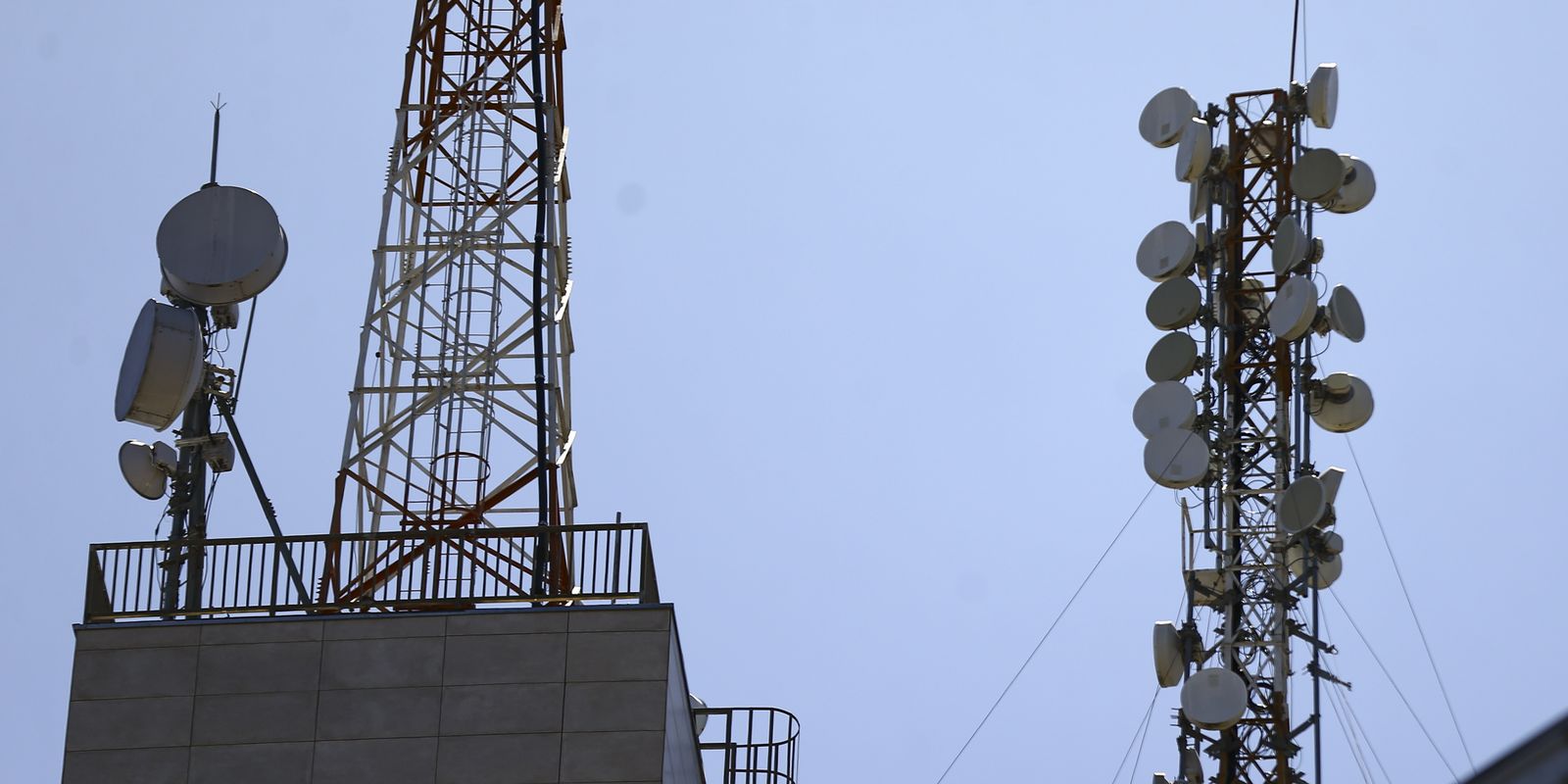
4G Mobile Signal and high -speed internet in the field can be made possible in rural settlements and quilombola communities and traditional peoples from different regions of the country. This provides for a technical cooperation agreement signed on Wednesday (19), in Brasilia, among the Ministries of Agrarian Development and Family Farming (MDA), Communications (MCOM), the National Telecommunications Agency (Anatel) and the Institute National Colonization and Agrarian Reform (INCRA). The event marked the 6th Ordinary Meeting of the National Council for Sustainable Rural Development (Condraf).
The connectivity expansion project will be funded with resources from the Telecommunications Services Universalization Fund (Fust). By the agreement, it will be up to MDA and Incra to map, within 120 days, the areas of relevance of family farming that can be contemplated with the measure.
The Folder of Communications and Anatel will act to activate digital inclusion policies, promoting connectivity actions and access to the internet network and mobile telephony in rural areas, from the articulation with representative and cooperative associations that serve family farming, those Settlers of agrarian reform, quilombolas and other traditional peoples and communities. The agreement provides investments in infrastructure and training of agents, including farmers, and professionals working in rural schools.
According to the justification of the cooperation agreement, the interministerial measure aims to face the problem of digital inequality. “On the one hand, the expansion of telecommunications in rural areas has been slower than in urban areas, on the other, the connection capacity offered to the poorest layers of the population needs to be improved,” the text says.
Post Office and Farmers
During the Condraf meeting, another agreement was signed between MDA and the Post and Telegraph Company (ECT) to enable the transportation of family farming products, including food, cosmetics and pharmacists. According to the state -owned company, the idea is to make logistics possible for small farmers, as the post office has a capillarized presence throughout the entire national territory.