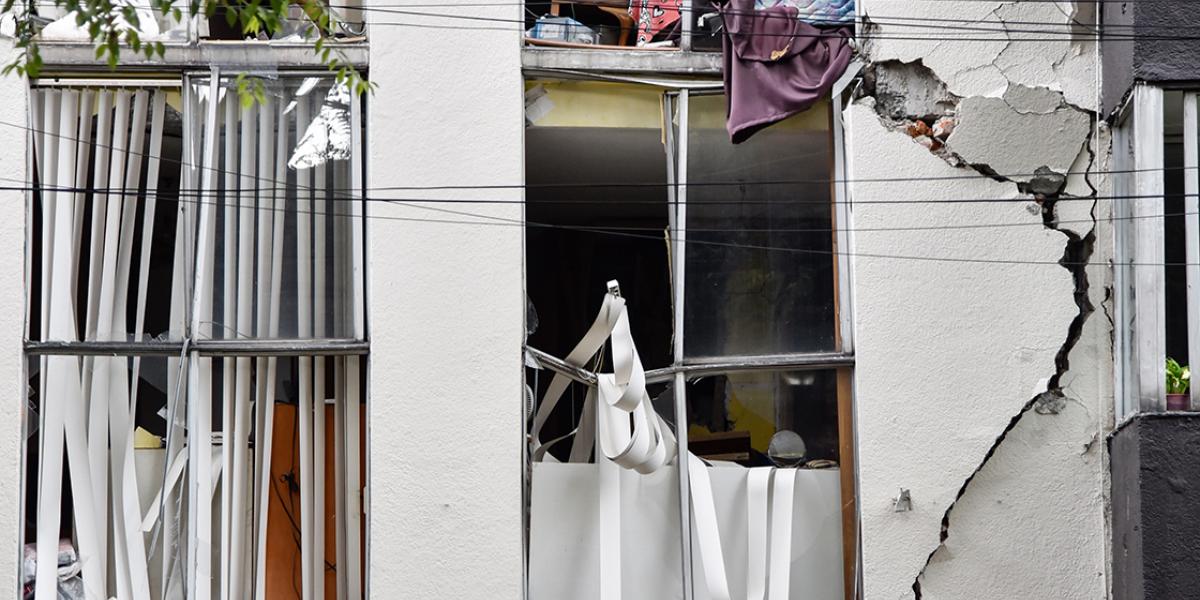
The Civil Protection Secretariat of Mexico City recommended a protocol to check homes after an earthquake thereby reducing risks by identifying, monitoring and maintaining infrastructure.
This Friday, January 2, Mexicans woke up to the seismic alarm on their cell phones that alerted them of a 6.5-degree Richter earthquake with its epicenter in Acapulco, Guerrero.
Being the second day of 2026, still with the overheating in mind, and some on vacation, the earthquake took the country’s inhabitants by surprise, in addition to the fact that it was recorded before 8 in the morning.
For this reason, civil protection took three steps for the housing review:
1. Identify. The facilities of:
- Electric light. Switches and contacts (spotlights and safety switches
- Water. Cisterns, pipes (washing accessories, shower, sink).
- Sanitary. Black water pipes, WC, drains and registers.
- Gas. Stove, heater, cylinder or stationary tank.
2. Monitor. The structure. Check if there are cracks or fractures in the finishes or structural elements.
- Cracks do not directly affect the structure; generally, they occur in the finishes and at the junction of walls.
- Fractures affect the support of the home, it is necessary that the repair be carried out as soon as possible.
- In gas, you must check that the stationary tanks do not have any dents or paint peeling since this allows corrosion.
- Poorly closed or damaged knobs and cracks in pipes can cause leaks, fires or explosions.
- Place soapy water in the connections, if you see bubbles you will need to call a specialist.
- In the water, inspect that the pipes do not present any type of leak.
- The toilet bowl and float box accessories work properly.
- The cisterns are clean.
- Keep drains free of trash.
In the case of the electrical installation, check that:
- There is no overload in the device connections.
- No exposed wires.
3. Maintenance. Recommends that for At least three times a year, or after an earthquake, check the structurethe facilities, electricity, water and gas. If necessary, make corrections as soon as possible.
- Moisture and cracks in the finishes damage the structure of your home.
- Clogged drains and pipes cause leaks and sinkholes.
- The saturation of devices connected to the electrical installation can cause shocks and fires.
If your home is damaged, it is important that the necessary actions are taken to keep you and your family safe.
Whenever construction, remodeling or repair work is done, it must be carried out by trained personnel.