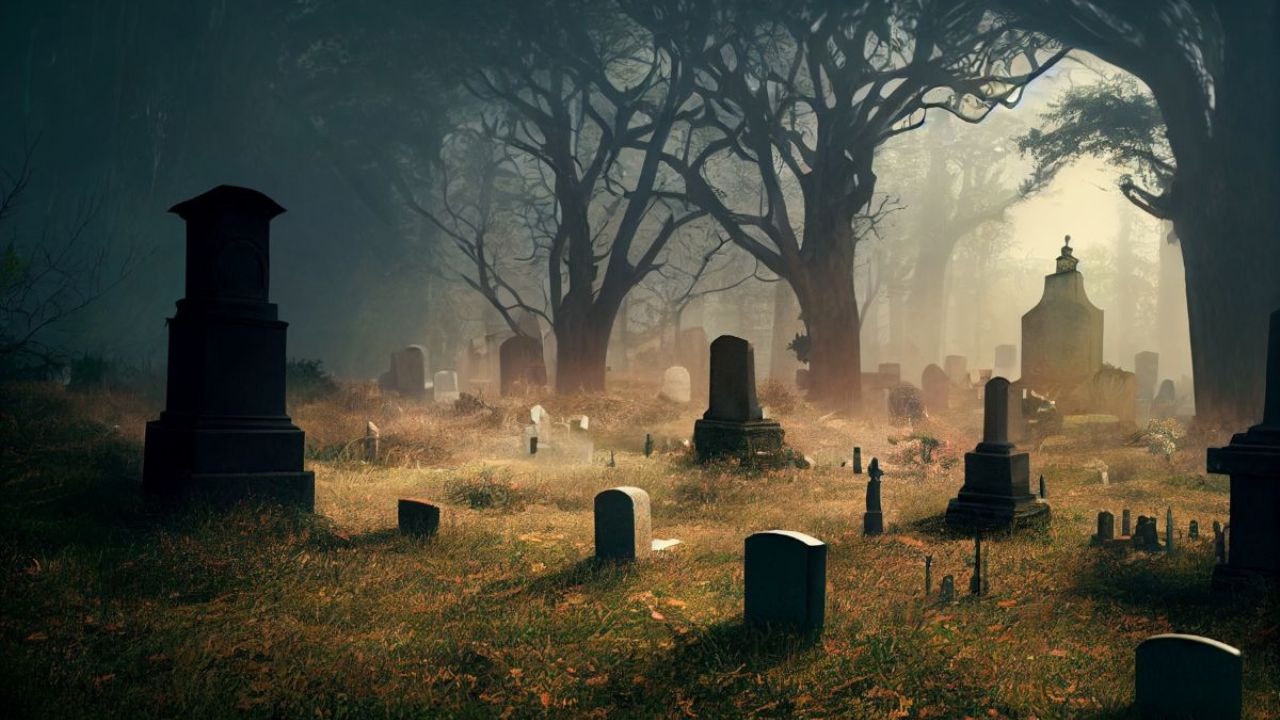
Dark tourism or necrotourism gained ground this season, transforming every ancient cemetery a mandatory stop for those seeking to connect with the past through stories of ghosts and historical crimes. In cities like Santiago or Valparaíso, visitors no longer only look for beaches or shopping centers, but rather immerse themselves in night tours to discover the secrets that the richest families and the most humble characters left engraved in stone.
3 cemeteries in Chile that attract tourists
One of the most impressive points is Playa Ancha, where eternal rest coexists with the sea breeze and the legend of Emile Dubois in the third cemetery of the port city. This character, considered the “Robin Hood” of the hills, attracts hundreds of faithful who leave offerings at his grave, asking for favors and miracles in an environment full of mysticism and popular devotion that defies the passage of time.
Towards the southern end, the architecture takes center stage under the carefully pruned cypress trees that adorn the famous cemetery of Punta Arenas, named one of the most beautiful in the world. There, the imposing mausoleums of European pioneers tell the story of the colonization of Patagonia, where the Magellanic wind seems to whisper the names of the families who forged the destiny of the region in extreme conditions.
If you are planning a heritage tour of Chiliyou can’t stop visiting every cemetery iconic that offers unique experiences depending on its location:
General de Santiago: a Historical Monument with more than 200 years of history and tombs of presidents.
- Coquimbo English: located in Guayacán, it reflects the influence of British sailors in the port.
- San Pedro de Atacama: an ancestral space with adobe buildings that respect the Atacama tradition.
- Sara Braun: The oasis of peace in Punta Arenas famous for its European-style sculptures and gardens.
In the large north, the landscape changes drastically and death is experienced with overwhelming naturalness in the small cemetery of San Pedro de Atacama, surrounded by volcanoes. Here, the wooden crosses and colorful offerings contrast with the aridity of the desert, creating a postcard that connects the Catholic faith with the worldview of the native peoples in an eternal embrace that moves each tourist.