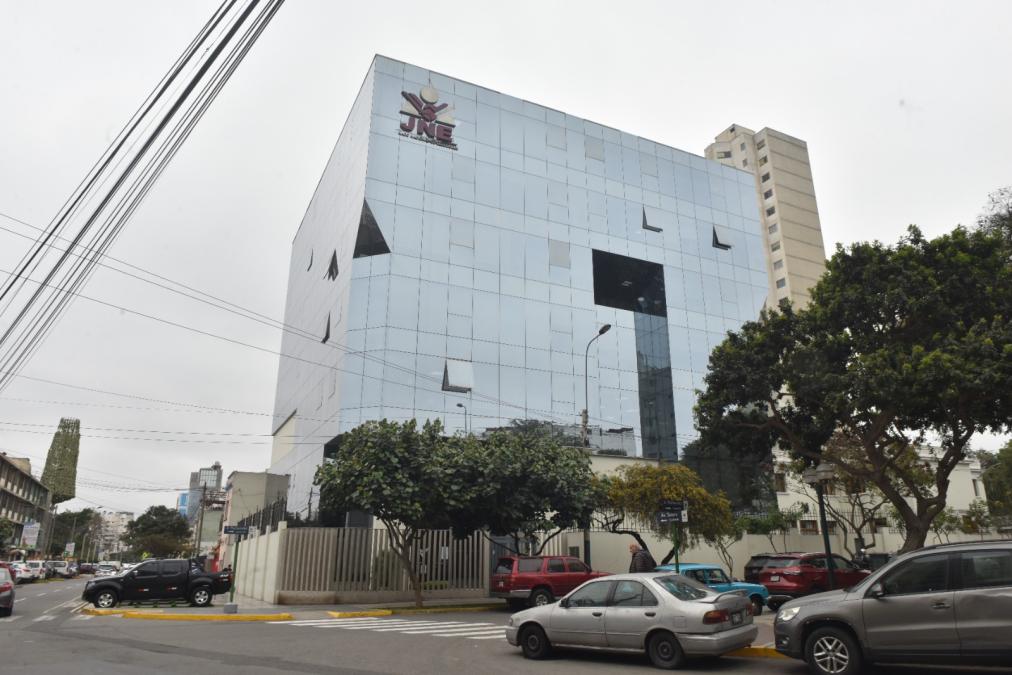
With the deadline for the registration of electoral alliances already fulfilled, the political landscape begins to be defined with a view to the general elections of 2026. The National Jury of Elections (Jne) received the registration requests of five political coalitions.
Of these, only one is free of observations, the others must correct them before September 1 to avoid being excluded. Although there is one that this week has already asked to unsubscribe.
Political alliances are distributed, so far, between radical left positions and center-right proposals.
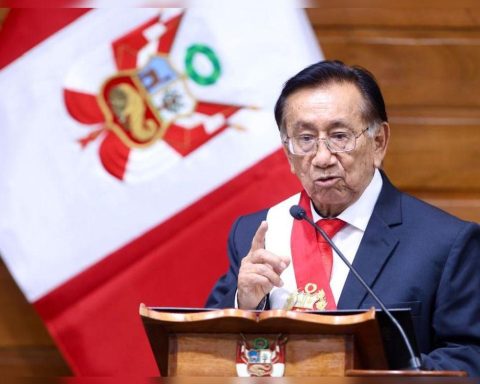
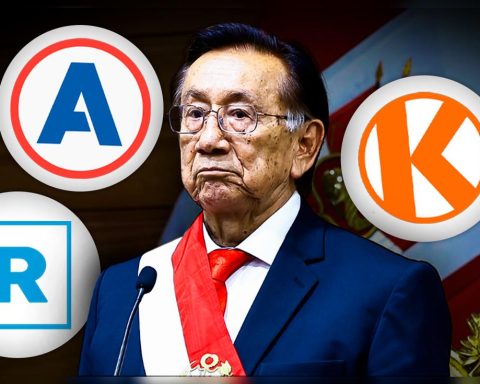
We wave, by Guillermo Bermejo, Vicente Alanoca and Verónika Mendoza with his new logo: three coca leaves; and the Front of Workers and Entrepreneurs, which includes Marisol Pérez Tello and Miguel del Castillo. On the other hand, there are strength and freedom, represented by Fiorella Molinelli and Zósimo Cárdenas; And now Nation, which integrates Mariano González and Alfonso López Chau, the latter declared inadmissible by the JNE. National Unit, which brings together Roberto Chiabra, the PPC and Peruvian United;
These three coca leaves of Venceremos gives lights of some proposals that we already hear in the previous electoral campaign: the formalization – under the clothing of the ‘industrialization’— of the cocaleros that remain outside the law and selling their production to firms of drug trafficking.
Informal Front
Outside formal alliances, an informal left front has been articulated. Together with Peru (JP), by Congressman Roberto Sánchez, he announced a pact with everything with the town and the United Pueblo Adelante (APU), the organizations of Pedro Castillo and his Expremier Aníbal Torres. Although these last two groups cannot compete in the elections, their leaders and members have the possibility of applying as guests in the congress lists of JP.
With this group, controversial connections have been reported. Some leaders of Movadef (the political arm of the Shining Path), with a strong influence in the south of the country, are affiliated with everything with the people. At least six of Pedro Castillo’s former ministers are promoting their cause, such as Iber Maraví, Aníbal Torres and Hernando Cevallos.
Meanwhile, a group of political figures has not yet defined their course for the next elections. Among them are Vladimir Cerrón, José Luna (who has extended an invitation to Guido Bellido), Yonhy Lescano, Virgilio Acuña, Arturo Fernández, Charlie Carrasco and Antauro Humala.
A particular case is that of Martín Vizcarra. Despite political disqualification and be fulfilling preventive detention, his party continues to use his image to capture votes.
Receive your Peru21 by email or by WhatsApp. Subscribe to our enriched digital newspaper. Take advantage of discounts here.