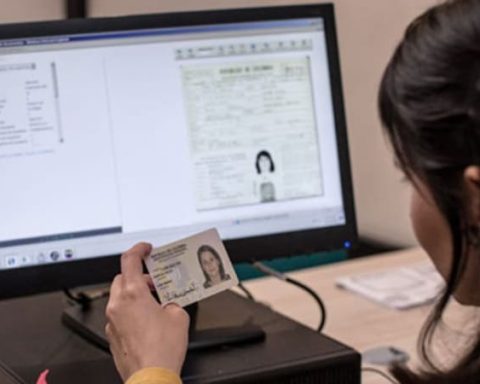
The EOM warns of limitations in monitoring the process in real time and sparks the debate on electoral transparency.
Colombia News.
The behavior of the registration of ID cards once again raised alarm bells in the Colombian electoral scenario. A recent analysis by the Electoral Observation Mission (MOE) identified 103 municipalities where the number of citizens who changed their voting location presents unusual variations compared to historical patterns. Although these figures do not constitute an irregularity in themselves, they do represent a signal that requires detailed review by the authorities.
The voter registration process allows voters to update their voting location when they change residence. However, when disproportionate increases are recorded in specific areas, the risk arises of possible massive transfers of voters without real roots in those territories, a phenomenon that can alter the electoral balance, especially in small municipalities.
In general terms, the total number of registrations at the national level is lower than that registered in the previous electoral cycle, but the territorial distribution of these movements is what has caught the attention of observers. Some regions present growth rates much higher than the average, which led to classifying these municipalities as special monitoring areas.
The issue is not limited to data alone. The MOE also expressed concern about the conditions of monitoring the process. According to the organization, for these elections it has not had direct or real-time access to the official platforms of the Registry, which reduces the ability to accurately monitor the behavior of registrations and detect anomalies in a timely manner.
This limitation, they warn, could represent a setback compared to previous standards of electoral transparency, where immediate access to information allowed for more rigorous control and strengthened public confidence in the democratic process.
In several of the aforementioned municipalities, factors of high political and social sensitivity coincide, which increases the importance of guaranteeing technical and timely monitoring. Independent surveillance, experts maintain, is a key element to prevent risks and ensure that the exercise of voting truly reflects the will of citizens.